Understanding Why Your Dog Growls at Other Dogs
How do I stop my dog growling at other dogs is one of the most common questions dog owners ask — and the good news is, it's very manageable with the right approach.
Here's a quick summary of what works:
- Stay calm — your dog reads your energy directly
- Increase distance from the other dog until your dog relaxes
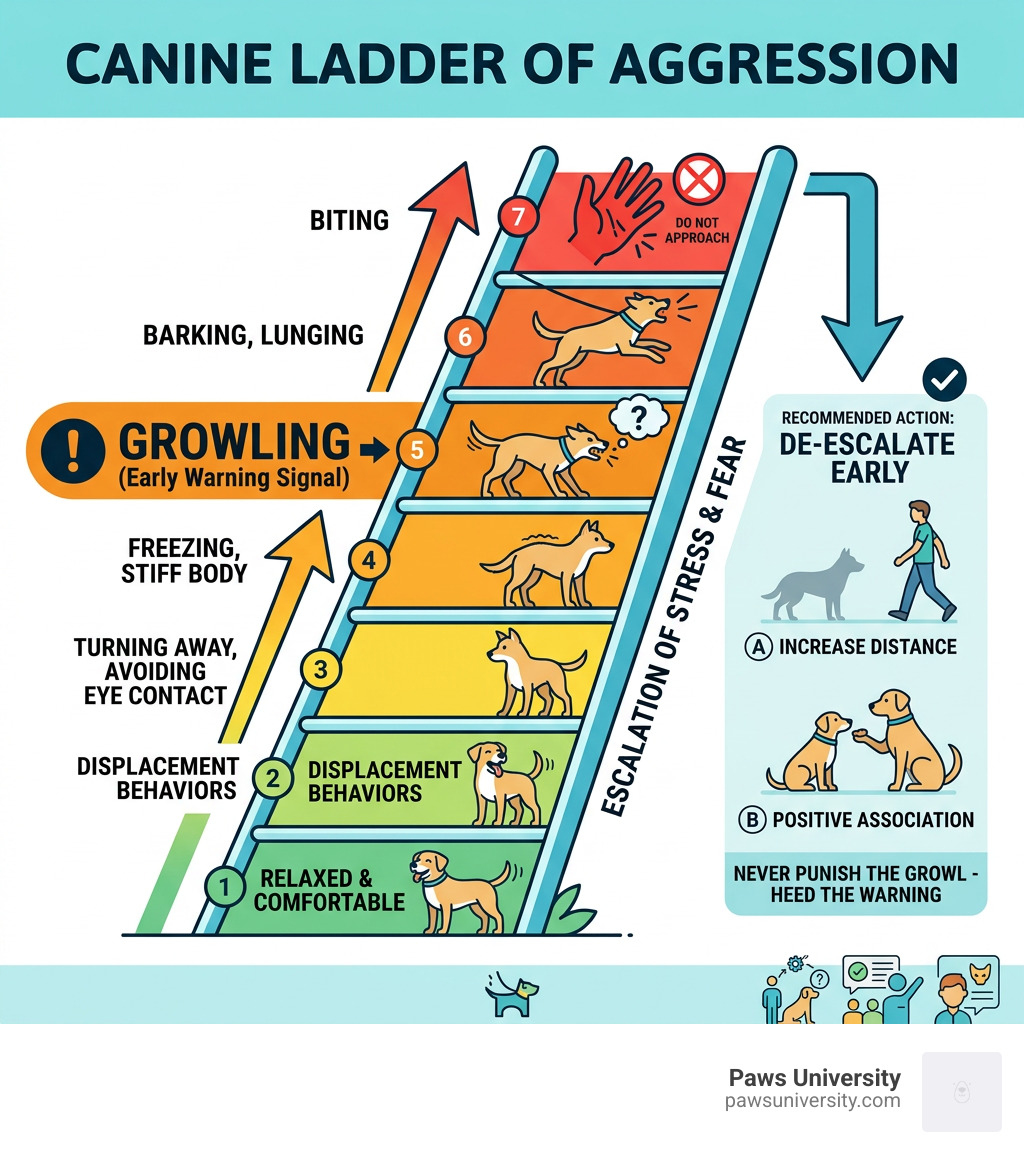
- Never punish the growl — it's your dog's warning signal, and removing it can lead to biting without warning
- Use high-value treats to build positive associations with other dogs
- Practice desensitization and counter-conditioning — gradually and repeatedly exposing your dog to triggers at a safe distance while rewarding calm behavior
- Consult a vet first if the growling started suddenly — pain or illness can be the cause
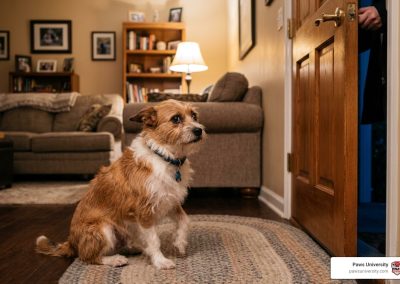
Growling is normal canine communication. It's not automatically aggression. It often signals fear, discomfort, or stress — and it's your dog's way of saying "I'm not okay with this." Understanding that changes everything about how you respond.
I'm Allen Daniels, co-founder of Paws University in Kailua-Kona, and over 25+ years of rewards-based training — refined through a decade working with marine mammals before being applied to dogs — I've helped hundreds of West Hawaiʻi families answer exactly the question how do I stop my dog growling at other dogs. In the sections below, I'll walk you through everything you need to know, from understanding why it happens to building a clear, step-by-step training plan.
To effectively address the question, "how do I stop my dog growling at other dogs," we first have to look at the "why." Dogs don't wake up and decide to be "mean." Growling is a sophisticated form of canine communication. It is a vocalization used to convey a wide range of emotions, from the joy of a tug-of-war game to a serious warning that they need space.
Fear-Based Reactivity
In the majority of cases we see in Hawaii County, growling on a leash is rooted in fear or insecurity. When a dog is tethered to a leash, they lose their "flight" option. If they feel threatened by an approaching dog, they resort to "fight" signals—like growling—to create distance. They are essentially saying, "Get away from me, you're making me nervous!" This is often called leash reactivity.
Pain-Induced Irritability
If a previously friendly dog suddenly starts growling at specific dogs on walks, we must consider physical discomfort. Dogs are masters at hiding pain. A dog with hip dysplasia, arthritis, or a recent injury may growl at other dogs to prevent them from jumping on them or bumping into a sore spot. Research indicates that sudden behavioral shifts in adult dogs are frequently linked to medical issues.
Resource Guarding
Sometimes, the "resource" being guarded is you. If your dog growls when another dog approaches you for attention, they are practicing possession aggression. This can also happen over toys, bones, or even a favorite spot on the grass.
Aggressive Dogs: What Questions Do We Need to Ask?
When assessing a dog's behavior, we ask:
- Did a traumatic event (like a dog attack) occur recently?
- Is the growling specific to certain breeds or sizes of dogs?
- What does the rest of the body language look like?
- Is the dog getting enough mental and physical exercise?
By identifying the trigger, we can move from "reacting to the growl" to "solving the problem."
How Do I Stop My Dog Growling at Other Dogs Using Positive Reinforcement?
The most effective way to change this behavior is through desensitization and counter-conditioning. This isn't just about teaching a "sit" command; it’s about changing the way your dog feels when they see another dog.
- Desensitization: Gradually exposing your dog to the trigger (another dog) at a distance where they remain calm.
- Counter-conditioning: Pairing the sight of that other dog with something wonderful, like high-value treats (think chicken, cheese, or steak).

Using the Engage/Disengage Game to Stop My Dog Growling at Other Dogs
The Engage/Disengage game is a favorite because it teaches the dog to make a choice.
- The Engage Phase: When your dog sees another dog at a distance (and is still calm), "mark" the behavior with a clicker or a verbal "Yes!" and give a treat. You are rewarding them for noticing the trigger without reacting.
- The Disengage Phase: Once your dog understands the game, wait a split second after they see the other dog. If they look at the dog and then look back at you for their treat, give them a jackpot!
Bring easy-to-deliver, high-value treats on every walk so you can reward the exact moment your dog looks away or checks in with you. That simple pattern teaches a new habit: when another dog appears, looking at my person pays better than growling.
Managing Distance and Thresholds to Stop My Dog Growling at Other Dogs
The "threshold" is the invisible line where your dog flips from "calm" to "growling." If your dog is already growling, you are too close. You cannot teach a dog who is in a state of panic.
-
Safety zones: Find the distance where your dog can notice another dog and still stay calm enough to eat, look at you, and respond. That distance is your starting point, and it will vary from dog to dog.
-
Visual barriers: Use real-world cover like parked cars, hedges, fences, or corners to block your dog's view if another dog appears too close. This helps lower arousal fast.
-
Leash tension: Aim for a loose leash whenever possible. Tightening the leash can add pressure and make your dog feel more trapped, which may increase growling or barking.
-
Training your dog: Consistent, rewards-based practice helps your dog learn what to do instead of reacting. Over time, clear cues, good timing, and repetition can make walks feel much more manageable.
Why You Should Never Punish a Growl
It is a natural human reaction to yell "No!" or tug the leash when our dog growls. We feel embarrassed or worried about aggression. However, punishing a growl is one of the most dangerous mistakes an owner can make.
Growling is a warning signal. If you punish the growl, you might successfully stop the sound, but you haven't fixed the fear or discomfort underneath. You have effectively "removed the batteries from the smoke detector."
According to veterinary behavior experts, dogs that have their growling suppressed are the ones most likely to bite "without warning." They’ve learned that their warning system doesn't work or gets them into trouble, so they skip straight to the bite. Instead of punishing, we should thank the dog for communicating and immediately increase the distance to help them feel safe again.
Immediate Management Strategies for Neighborhood Walks
While you are working on long-term training, you need short-term management to keep everyone safe and prevent the "growling habit" from becoming more ingrained.
- Emergency U-Turns: If you see a dog approaching on a narrow path, don't try to "tough it out." Simply say "This way!" in a cheery voice and walk in the opposite direction.
- High-Value Rewards: Save the "good stuff" (real meat) specifically for walks where you might encounter other dogs.
- Change Your Route: If a neighbor’s dog always lunges at the fence on a certain street, avoid that street. Success in training is often about avoiding failure.
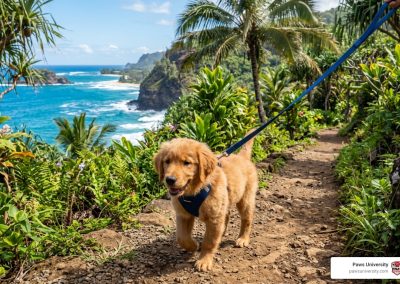
- Tropical Walking Routes: In Hawaii County, use the wide-open spaces of our parks to your advantage. Avoid narrow trails where you can't create distance.
| Strategy | Goal | When to Use |
|---|---|---|
| Management | Prevent the behavior from happening | During daily walks/short-term |
| Training | Change the dog's emotional response | During dedicated training sessions |
| Distance | Keep the dog under threshold | Always |
When to Consult a Professional Trainer or Veterinarian
If you have tried the steps above and aren't seeing progress, or if the behavior is escalating into lunging and snapping, it’s time to call in the experts.
- The Veterinarian: Always rule out medical issues first. A dog in pain cannot be "trained" out of their irritability.
- The Professional Trainer: Look for someone who uses rewards-based, force-free methods. Avoid any trainer who suggests "correcting" the dog with pain or fear.
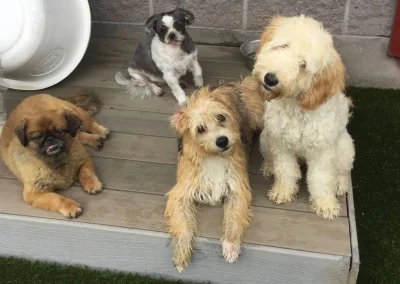
At Paws University, our spacious campus offers a controlled environment where we can work with reactive dogs safely. We focus on positive reinforcement to build confidence. If you're looking for guidance, you can also search for a Fear Free trainer, KPA-certified trainers, or CTC-certified trainers.
Frequently Asked Questions about Dog Growling
Why has my previously friendly dog suddenly started growling?
Sudden changes are often due to a "stacking" of stressors or physical pain. If your dog had a few bad experiences in a row (a dog barked at them, a loud car went by, and then they saw a dog), they might reach their breaking point. Age can also play a factor; as dogs reach social maturity (around 2 years old), they may become more selective about their friends.
How long does it take to see improvement in reactivity?
Behavior modification is a marathon, not a sprint. While you might see small improvements in a few weeks, it typically takes 3 to 6 months of consistent work to see a significant shift in a dog's emotional response.
What are the early signs of dog growling or escalation?
Before the growl, there are almost always "whispers" of discomfort. Look for:
- The "Hard Stare": Intense, unblinking eye contact with the other dog.
- Stiff Body: The dog freezes and their muscles tense up.
- Closed Mouth: A sudden cessation of panting.
- Whale Eye: Seeing the whites of the dog's eyes.
- Raised Hackles: The hair along the spine stands up (piloerection).
Conclusion
Answering the question "how do I stop my dog growling at other dogs" requires patience, empathy, and a pocket full of high-value treats. Your dog isn't trying to be "bad"—they are trying to tell you they are scared or uncomfortable. By respecting their communication and using positive reinforcement to build their confidence, you can return to having peaceful, enjoyable walks in our beautiful Hawaii County landscape.
At Paws University, we’ve been West Hawaiʻi’s premier facility since 2002. Our supervised play and rewards-based training programs are designed to reduce behavior issues by providing a safe, structured environment for dogs to learn and socialize. Whether you need help with a reactive walker or want to start a puppy off on the right paw, we're here to help.