What Is Professional Dog Grooming — and What Should You Expect?
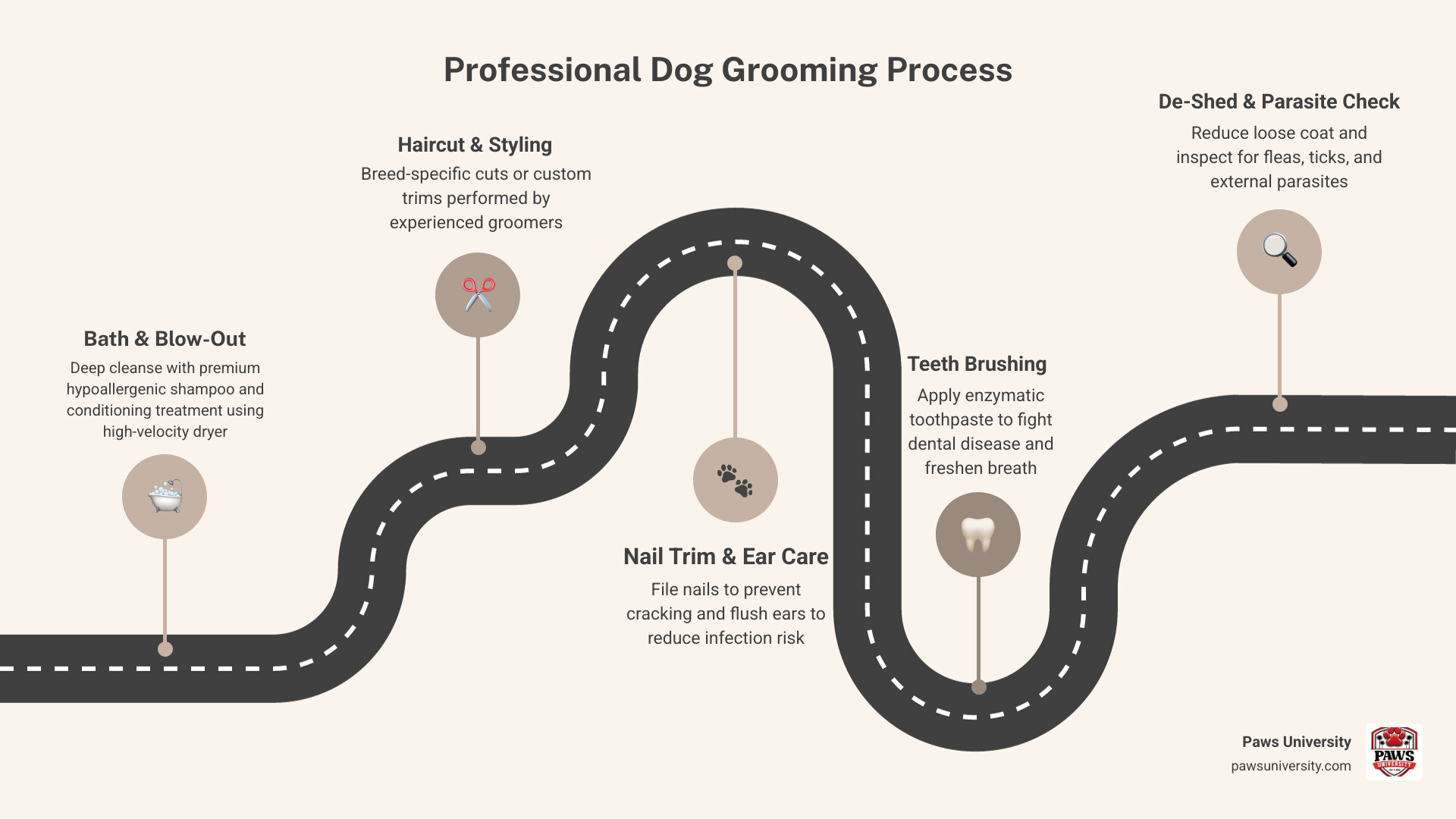
Professional dog grooming goes far beyond a simple bath. Here's a quick look at what it typically includes:
- Bath and blow-out — deep cleanse with premium or hypoallergenic shampoo, conditioning treatment, and high-velocity dry
- Haircut and styling — breed-specific cuts or custom trims
- Nail trim or grind — filing and rounding to prevent overgrowth and cracking
- Ear flushing — removing debris to reduce infection risk
- Teeth brushing — enzymatic toothpaste to fight dental disease and bad breath
- De-shedding treatment — reduces loose coat and keeps your home cleaner
- Flea and tick check — external parasite inspection, with treatment options available
Most full-service sessions take one to two hours depending on your dog's size, coat type, and behavior. Grooming frequency typically ranges from every two to eight weeks, based on breed and lifestyle.
Every dog is different. A high-energy dog who spends time outdoors in a warm, humid climate — like here in West Hawaiʻi — has very different coat and skin needs than a dog living mostly indoors. That's why finding the right groomer matters as much as the services themselves.
I'm Allen Daniels, co-founder of Paws University, West Hawaiʻi's premier dog training, boarding, daycare, and grooming facility. Over my 25+ years working in animal behavior — starting with professional dolphin training and applying those same science-backed, trust-based methods to dogs — professional dog grooming has always been a core part of how we support whole-dog wellness. Read on for everything you need to find the right groomer for your dog's needs.
Essential Services in Professional Dog Grooming

When you take your dog to a professional salon, you are investing in their overall health, comfort, and hygiene. A quality session is much more than a cosmetic upgrade; it is a head-to-tail wellness check. Professional groomers are trained to notice subtle changes in your dog's body, such as new lumps, skin irritations, ear infections, or external parasites, which might otherwise go unnoticed under a thick coat of fur.
To understand what happens behind the scenes, it helps to break down the primary components of a standard grooming visit. For a broader look at how grooming integrates with other pet care needs, you can read The Ultimate Guide to Dog Grooming and Boarding Services.
A premium grooming experience begins with a deluxe bath. This is not a simple hose-down; it is a multi-step therapeutic process. Groomers use specialized, high-quality shampoos and conditioners formulated specifically for canine skin, which has a different pH level than human skin. The bath involves a thorough deep-cleansing massage that lifts dirt, dander, and trapped oils from the undercoat. This is followed by a meticulous rinse and a blow-out using professional high-velocity dryers. These dryers do not just dry the hair; they blast away dead undercoat and help straighten the hair shaft, making the subsequent haircut much more precise.
For breeds that require haircuts and styling, professional groomers use a combination of clippers, guard combs, and specialized shears to achieve a clean, balanced look. Whether your dog requires a classic breed-standard cut—like a traditional Poodle sporting a lamb cut—or a practical, low-maintenance utility trim, a skilled groomer knows how to balance aesthetics with comfort.
De-shedding treatments are another highly sought-after service, particularly for double-coated breeds. This process utilizes specialized tools to gently pull out dead, loose undercoat before it ends up on your furniture.
Finally, essential hygiene maintenance completes the session. Nail trims prevent painful overgrowth that can alter a dog's natural gait and cause joint issues. Ear flushing removes excess wax, moisture, and debris, which is especially vital for dogs that love swimming or have floppy ears.
Core Packages for Professional Dog Grooming
Most professional facilities offer structured packages to meet the varying needs of different coat types. Understanding these packages helps you choose the right level of care for your dog:
- Basic Bath and Brush: This package is ideal for short-haired, smooth-coated breeds who do not require haircutting. It includes a double-shampoo wash, a deep conditioning treatment, a high-velocity blow-out, and a thorough brush-out. Even without scissors touching the coat, this package revitalizes the skin and removes loose dander.
- Full Grooming Package: This is the comprehensive service designed for breeds with continuously growing hair (such as Doodles, Poodles, Shih Tzus, and Bichons). It includes everything in the bath and brush package, plus a full-body haircut, detailed styling, and sanitary trims around the paws, belly, and under-tail areas.
- A La Carte Upgrades: Many salons allow pet owners to customize their packages with targeted treatments. These can include specialized skin-nourishing oatmeal or aloe baths, paw pad treatments to soothe dry pads, and teeth brushing using pet-safe enzymatic toothpaste.
Regardless of the package, reputable groomers prioritize the use of hypoallergenic, soap-free products. This ensures that dogs with sensitive skin or allergies can enjoy a deep clean without experiencing post-grooming itching or hives.
Specialized Care and Parasite Prevention
In warm, humid climates, external parasites and skin issues are a year-round concern. Professional groomers play a critical role in early detection and management of these issues.
During the initial hands-on assessment, a groomer will perform a thorough external parasite check, parting the hair down to the skin to look for fleas, ticks, or lice. If parasites are found, targeted flea and tick treatments can be administered to safely eradicate the pests on the dog.
For dogs suffering from hot spots, yeast infections, or seasonal allergies, medicated baths can provide immense skin irritation relief. These specialized baths often require a precise leave-on time to allow the active ingredients—such as chlorhexidine, ketoconazole, or colloidal oatmeal—to soothe inflamed skin, reduce fungal loads, and restore the skin's natural barrier.
Selecting the Right Groomer for Your Dog's Needs

Choosing a professional to handle your dog is a decision that requires careful thought. Your dog's grooming experience can influence how they view handling, veterinary care, and human interaction for the rest of their life. The global dog grooming market reflects how deeply pet parents value professional care. With so many options available, identifying a high-quality facility involves looking closely at safety standards, staff training, and the physical environment.
Key Qualifications and Professional Dog Grooming Standards
Unlike some veterinary professions, the dog grooming industry does not always have uniform government licensing requirements. This means the responsibility falls on pet owners to verify a groomer's qualifications.
When searching for a groomer, look for professionals who have invested in formal education, voluntary certifications, or comprehensive apprenticeships. Key qualifications to ask about include:
- Pet First Aid and CPR Certification: A reputable groomer should be fully trained to handle medical emergencies, from minor nail nicks to sudden cardiac events or heat stress.
- Knowledge of Breed Standards: Professional groomers should understand the specific coat structures and physical needs of different breeds, ensuring they do not shave double-coated dogs unless medically necessary.
- Continuing Education: The best groomers regularly participate in industry workshops, safety seminars, and gentle handling courses to keep their skills sharp and up to date.
Identifying Reputable Salons and Facilities
A great grooming experience starts with a safe, clean, and well-managed facility. When evaluating a potential salon or mobile service, look beyond the lobby and ask detailed questions about their daily operations.
First, check for verified reviews and testimonials from other pet parents. Look for consistent praise regarding the staff's patience, the cleanliness of the facility, and how calm the dogs seem when they are picked up.
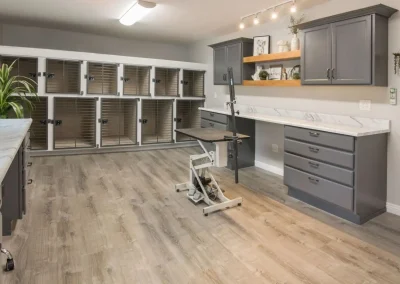
Second, observe the physical setup. The facility should be well-ventilated, brightly lit, and free of strong chemical odors. Professional-grade equipment, such as sturdy tubs, non-slip grooming tables, and secure holding areas, should be clearly visible.
Third, ask about their safety policies. Reputable salons enforce strict vaccination requirements (such as Rabies, DHPP, and Bordetella) to protect all pets in their care. They will also have clear protocols for managing dogs of different sizes, including realistic weight limits for their equipment to ensure large dogs can be lifted and supported safely. Finally, the environment should feel organized and calm, minimizing the chaotic sensory overload that can easily stress a dog.
Safety, Comfort, and Enrichment in the Grooming Salon
A modern, high-quality approach to grooming prioritizes a dog's emotional well-being just as much as their physical appearance. Historically, grooming was sometimes viewed as a chore that dogs simply had to tolerate. Today, we know that integrating behavioral science and cooperative care techniques into the grooming process leads to safer, happier outcomes for both the dog and the groomer. To learn more about how professional facilities structure these supportive environments, check out The Ultimate Guide to Dog Grooming and Boarding Services.
Gentle Handling for Anxious, Senior, and Special-Needs Dogs
For many dogs, the sights, sounds, and sensations of a grooming salon can be incredibly overwhelming. High-velocity dryers, buzzing clippers, and being handled in sensitive areas like the paws and tail can trigger anxiety.
To help anxious, senior, or special-needs dogs, professional groomers utilize gentle handling techniques. Senior dogs, for example, often suffer from arthritis or hip dysplasia. They require extra physical support, such as padded grooming tables, specialized belly slings to take pressure off their joints, and frequent rest breaks.
Anxiety reduction also involves managing the salon environment. This can include using happy hoodies (soft fabric bands placed over a dog's ears to muffle the sound of dryers), scheduling appointments during quieter times of the day, and working at a pace dictated by the dog's comfort level. This comfort-first approach ensures that vulnerable dogs are never pushed past their emotional threshold.
The Benefits of Positive-Reinforcement and Enrichment Grooming
Enrichment grooming is a highly effective approach that focuses on building positive associations with the grooming process. Rather than using force or restraint to get a dog to submit, groomers use rewards-based training and desensitization.
By pairing potentially scary stimuli—like the sound of clippers or the feeling of water—with high-value treats, praise, and gentle touch, dogs learn that grooming is a rewarding experience. This cooperative care framework empowers the dog, allowing them to participate willingly in their own hygiene routine.
For puppies under eight months old, early enrichment grooming programs are incredibly beneficial. Introducing puppies to the tub, the grooming table, and the sound of tools in a slow, positive manner sets them up for a lifetime of stress-free grooming visits.
Professional Tools and Frequency Guidelines
To achieve professional-grade results safely, groomers rely on highly specialized, industrial-quality equipment. These tools are designed to handle thick coats, stubborn mats, and repetitive daily use while keeping the dog's safety at the forefront.
| Tool Type | Specific Use | Key Benefit for the Dog's Coat |
|---|---|---|
| Slicker Brush | Removing loose hair and fine tangles | Gently separates hairs, preventing painful mats from forming close to the skin. |
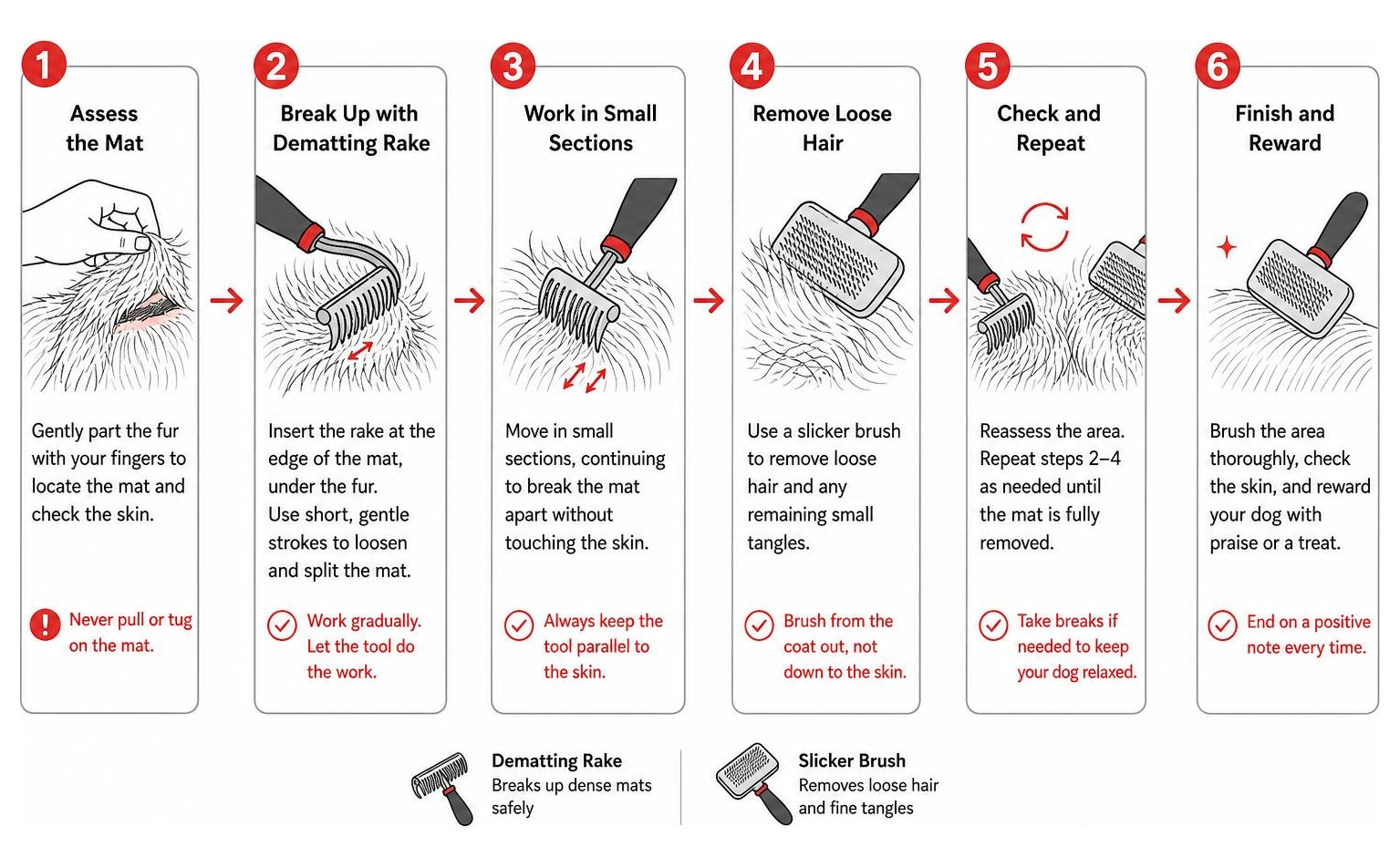
| Dematting Rake | Breaking up dense undercoat and stubborn mats | Features curved, dull-edged blades that slide under mats to split them safely. |
| Stainless Steel Shears | Precision cutting, shaping, and detailing | Provides clean, crisp cuts without pulling or tearing delicate hair fibers. |
| Heavy-Duty Clippers | Bulk hair removal and styling | Runs cool and quiet to prevent razor burn and minimize noise anxiety. |
| Nail Grinder | Smoothing and shortening nails | Rounds the nail tip gradually, reducing the risk of cutting the sensitive quick. |
| High-Velocity Dryer | Blasting water and loose undercoat | Dries the coat quickly without using excessive heat that can dry out canine skin. |
Specialized Equipment Used by Experts
Professional-grade grooming tools are engineered differently than typical home-use supplies. For example, high-quality shears and clippers are manufactured by trusted brands using premium stainless steel to maintain sharp, durable edges. Equipment trusted by over 30,000 groomers, such as Waggz professional grooming gear, is built to withstand rigorous daily cleaning and heavy coats.
Ergonomic handles and non-slip grips on brushes and clippers are essential, giving the groomer maximum control and reducing the hand fatigue that can lead to accidental slips. Furthermore, professional salons utilize heavy-duty, hydraulic, or electric non-slip grooming tables that can be lowered to the floor. This allows large or senior dogs to step onto the table easily without needing to be lifted, preventing injury to both the pet and the stylist.
Establishing a Healthy Grooming Schedule
How often your dog should visit a professional groomer depends on several key factors, including their breed, coat type, and daily lifestyle.
Dogs with continuously growing hair, such as Poodles and Doodles, generally need a professional bath, trim, and style every four to six weeks to prevent severe matting. Double-coated breeds, like Golden Retrievers or Huskies, benefit from a professional de-shedding treatment every six to eight weeks, particularly during seasonal shedding cycles. Short-coated, smooth breeds can often go eight to twelve weeks between professional visits, provided their owners maintain basic brushing and nail care at home.
Active outdoor lifestyles and local weather conditions also play a massive role. In warm, humid tropical environments, dogs are more prone to moisture-induced skin fold dermatitis, yeast infections in their ears, and trapping red dirt or sand in their coats. Regular professional grooming helps manage these environmental challenges, keeping your dog's skin healthy and dry.
Frequently Asked Questions About Dog Grooming
How do groomers handle severe coat matting?
Severe matting is a serious health and comfort issue. When hair tangles and packs tightly against the skin, it restricts airflow, traps moisture, and can cause painful skin irritation, sores, and bruising.
To resolve matting, professional groomers prioritize the dog's safety and comfort. If the mats are mild and loose, a groomer may use specialized dematting rakes and serrated combs alongside detangling sprays to gently break them apart. However, if the matting is severe and sits close to the skin, attempting to brush it out is incredibly painful and can tear the skin. In these cases, the safest and most humane option is a safety-first shave. Groomers use specialized, cool-running clipper blades to gently slide underneath the matting, removing the tight pelt and giving the dog immediate physical relief.
What factors influence how often a dog needs grooming?
Several key factors dictate a dog's optimal grooming frequency:
- Coat Type: Long-haired, curly, or double-coated dogs require much more frequent professional care than short, smooth-coated dogs.
- Activity Level: Dogs who love hiking, swimming, or playing in the dirt will need more frequent baths and ear cleanings to prevent odor and matting.
- Climate: Tropical humidity and warmth can accelerate yeast growth and skin issues, making regular grooming essential for skin health.
- At-Home Maintenance: Daily brushing at home can extend the time needed between professional full-body haircuts.
Why is teeth brushing and nail care included in professional packages?
Teeth brushing and nail care are fundamental to a dog's physical health, not just their appearance.
Regular nail trims or grindings prevent the nails from growing so long that they force the dog's toes to splay or push upward. Over time, long nails alter how a dog walks, putting unnatural stress on their joints and potentially leading to early-onset arthritis.
Teeth brushing using enzymatic toothpaste and breath-freshening foam helps break down plaque and tartar before it hardens into calculus. This routine care is an important defense against periodontal disease, which can lead to painful tooth loss and systemic organ damage if bacteria enters the bloodstream.
Conclusion
Investing in professional dog grooming is one of the best ways to ensure your dog lives a happy, healthy, and comfortable life. From deep-cleansing baths that soothe sensitive skin to precision haircuts and vital joint-saving nail trims, professional care addresses your dog's physical and emotional needs from nose to tail.
At Paws University, we have been proud to serve West Hawaiʻi's pet community since 2002. Located on our beautiful, spacious seven-acre campus in Hawaii County, our premier facility offers a safe, stress-free environment where your dog's comfort and well-being always come first. Whether your dog is joining us for daycare, boarding, training, or a premium grooming session, our experienced team uses positive, rewards-based techniques to ensure every visit is a joyful experience.
Ready to treat your furry friend to a premium grooming experience? Visit our Grooming page today to learn more about our services and book your dog's next spa day!