
How to Choose a Dog Kennel That Fits Your Dog
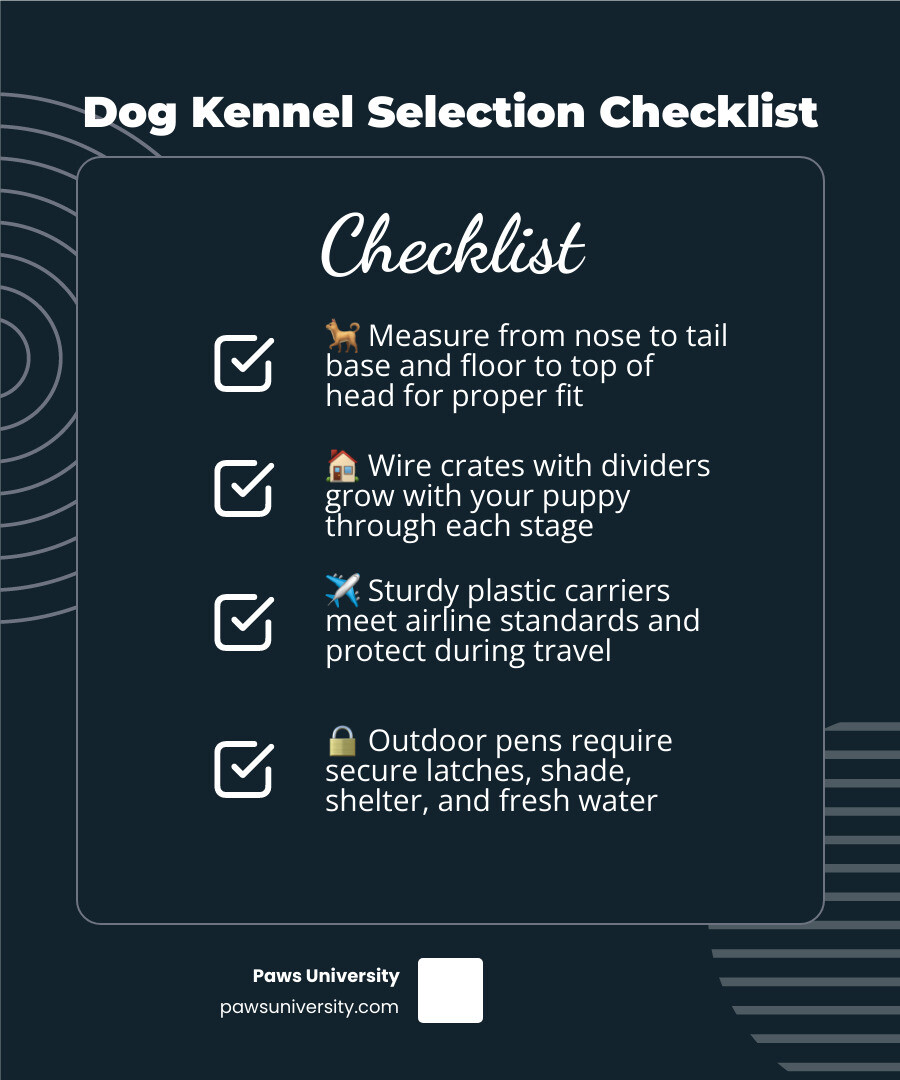
Start with how your dog will use the kennel. A wire crate with a divider works well for a growing puppy at home. A sturdy plastic carrier is often better for travel, while an outdoor pen gives a dog more room to move. Measure your dog from nose to the base of the tail and from floor to the top of the head. Choose a space where they can stand, turn around, and lie down comfortably. For outdoor use, add secure latches, shade, shelter, and fresh water.
I'm Allen Daniels, co-founder of Paws University in Kailua-Kona, where I've worked with dogs in training, daycare, and boarding for more than 25 years. I've seen how the right dog kennel can support a dog's comfort and safety; this guide will help you find one that suits yours.
Understanding the Types and Differences of Canine Enclosures
Wire, Plastic, Furniture, and Fabric Enclosures
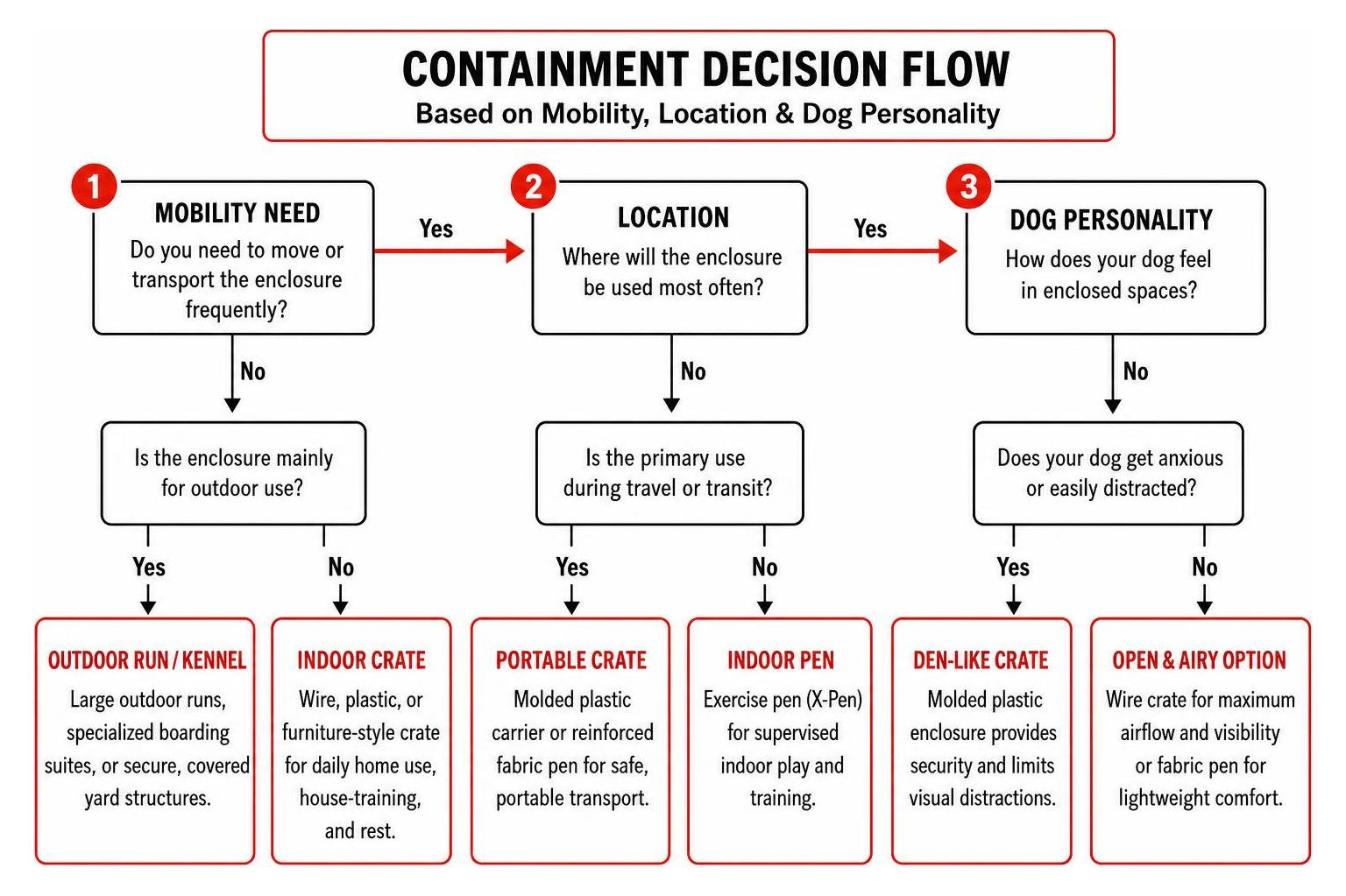
Choosing the ideal enclosure starts by evaluating where the unit will live and how your dog interacts with enclosed spaces. Different materials serve distinct behavioral, domestic, and environmental needs:
- Wire Enclosures: Wire crates feature open metal mesh that maximizes 360-degree airflow and visibility. These models fold flat for easy storage and typically include a removable, leak-proof plastic or composite floor tray for straightforward sanitization. Wire models are well suited for daily home use, house-training, and warm tropical environments where airflow is paramount.
- Plastic Carriers: Molded plastic enclosures provide solid walls punctuated by ventilation grates along the sides and back. This enclosed structure mimics a natural den, offering security for dogs that get easily distracted or overwhelmed by visual stimuli. Plastic is also the standard for ground and air transport due to its rigid impact resistance.
- Furniture-Style Timber: Designed to blend into home decor, these enclosures use solid wood or wood-composite framing with metal spindles to serve as end tables or credenzas. While aesthetically pleasing, they are best reserved for calm, fully trained adult dogs because teething puppies and anxious scratchers can damage the wood.
- Soft-Sided Fabric Pens: Made of ballistic nylon or canvas with fine mesh viewing windows, fabric playpens provide lightweight portability. They fold down into compact carry bags, making them convenient for day trips, camping, or hotel stays with calm, smaller companions.
| Enclosure Material | Primary Strength | Portability | Best Environment |
|---|---|---|---|
| Powder-Coated Wire | Maximum airflow & visibility | Moderate (collapsible) | Indoor living areas |
| Molded Plastic | Den-like security & impact safety | Moderate | Travel & crate training |
| Hardwood / Timber | Architectural home integration | Low (stationary) | Indoor spaces with adult dogs |
| Reinforced Fabric | Ultralight flexibility | High (pop-up) | Indoor travel & shaded outings |
| Galvanized Steel | Maximum weather & chew resistance | Low (modular panels) | Dedicated outdoor runs |
Crates, Pens, and Containment Terminology
The terminology around canine containment can sometimes cause confusion:
- Dog Crate: Primarily refers to an indoor, structured personal enclosure (wire, plastic, or wood) sized to fit a dog snugly for rest, house-training, or transit.
- Dog Cage: A historical or clinical term often used interchangeably with metal wire crates, though it sometimes describes high-confinement holding units used in veterinary clinics.
- Exercise Pen (X-Pen): A series of connected, freestanding metal or fabric panels that create an open-topped play area. It provides greater spatial freedom for puppies to play while keeping them safely contained within a room.
- Dog Kennel: A broader term that encompasses large outdoor runs, specialized boarding suites, and secure, covered yard structures where dogs have room to pace, stretch, and relax.
How to Choose the Right Dog Kennel Size and Material
Measuring Your Pet for Proper Sizing
Proper dimensions are essential for both safety and positive reinforcement training. An enclosure that is too small restricts natural movement, while one that is far too large can compromise house-training by allowing a puppy to soil one corner and sleep in another.
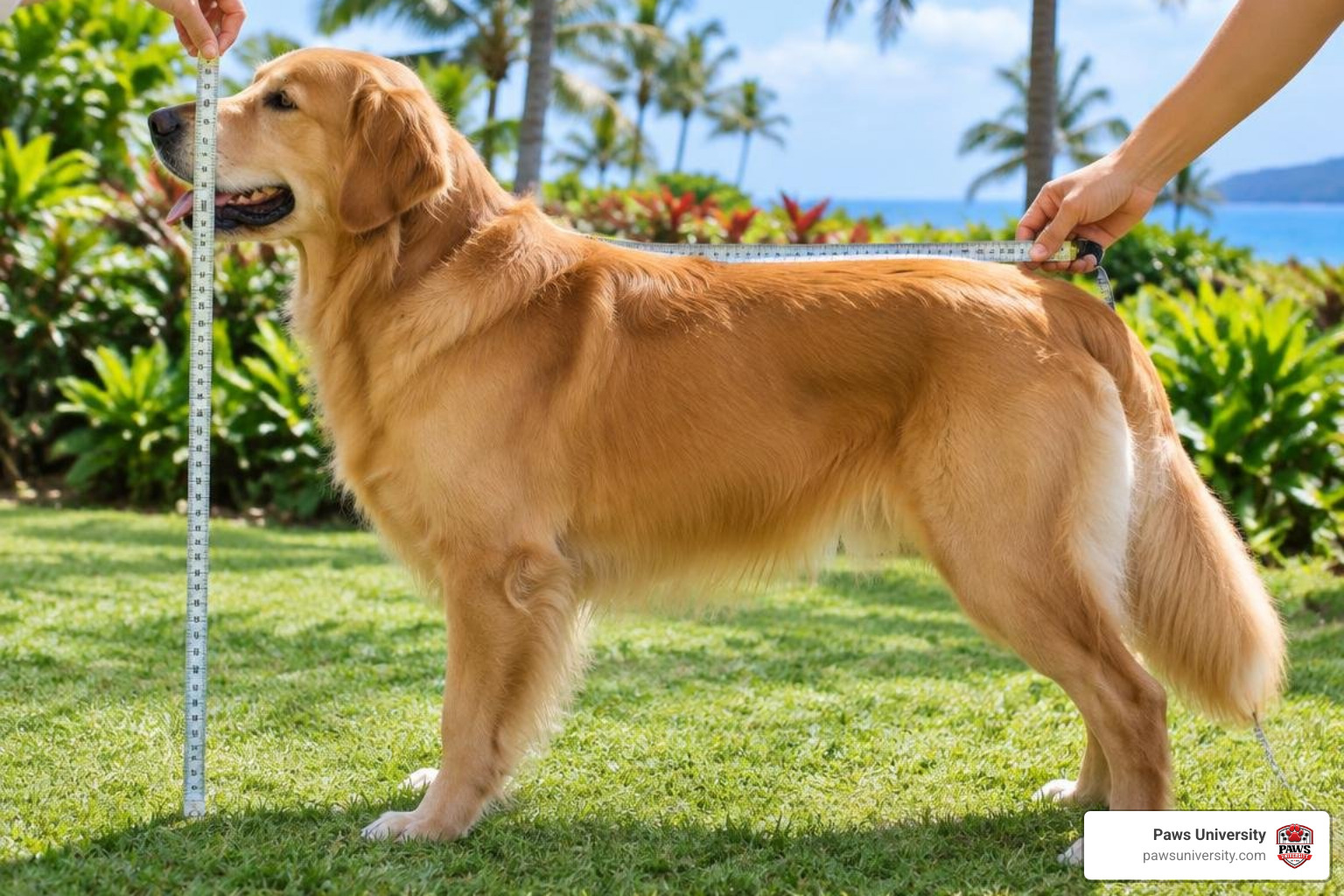
Follow these simple measurement steps before purchasing:
- Length: Measure from the tip of your dog's nose to the base of the tail (do not include the full tail length). Add 2 to 4 inches to this measurement.
- Height: Measure from the floor to the highest point of your dog while standing naturally—either the top of the skull or the tips of erect ears. Add 2 to 4 inches to ensure adequate headroom.
- Clearance Check: Your dog should be able to stand completely upright without ducking, turn around smoothly without brushing walls, and stretch out fully on their side.
If you are raising a puppy that will grow into a large breed, look for a full-sized adult wire crate that includes an adjustable divider panel. This allows you to expand the interior living space in tandem with your pup's physical growth milestones.
Material Durability and Structural Safety
Structural safety prevents accidental escapes, collar entanglements, and ingestion of damaged materials:
- Welded & Galvanized Steel: For high-drive dogs or outdoor installations, heavy-gauge steel panels with rust-resistant powder or galvanized coatings withstand biting pressure and humid coastal air without degrading.
- Dual-Latch Locking Mechanisms: Look for doors equipped with dual slide-bolt latches or spring-loaded drop pins. Curious paws can occasionally dislodge single latches from the inside.
- Rounded Corners and Smooth Welds: Inspect all internal surfaces to verify there are no sharp burrs, rough metal points, or pinching hinges that could snag skin or coats.
- Non-Toxic Finishes: Puppies often explore their surroundings with their mouths. Ensure all metal paints, e-coatings, and timber stains are non-toxic and lead-free.
Selecting Enclosures for Travel, Outdoor Runs, and Daily Care
Key Considerations for an Outdoor Dog Kennel
An outdoor kennel provides an enriching open-air retreat when built with the right protective features:

- Weather Protection: Intense sunlight and tropical downpours require a pitched, waterproof, and UV-resistant canopy roof that sheds precipitation away from the enclosure.
- Secure Foundation & Ground Anchors: Secure the frame directly into the ground using earth anchors, heavy-duty rebar stakes, or concrete footings to prevent shifting in high winds or digging underneath.
- Rotating Feeding Stations: Built-in swing-out bowl holders allow you to replenish fresh water and meals from the exterior without opening the main access gate.
- Predator & Pest Deterrence: Heavy-gauge chain link or narrow wire grid spacing keeps wildlife out while ensuring your dog cannot push their muzzle through the mesh.
Understanding proper enclosure standards is just as helpful when reviewing external boarding facilities or specialized outdoor pet boarding structures across the country.
Airline Requirements and Travel Standards
Air travel requires careful preparation and adherence to strict carrier standards established by the International Air Transport Association (IATA):
- Rigid Construction: The carrier must be made of rigid plastic, fiberglass, or metal. Enclosures with top-opening doors or plastic side latches are typically rejected for cargo travel.
- Hardware Fasteners: The top and bottom halves must be secured together using metal nuts and bolts rather than plastic snap clips.
- Ventilation Standards: Adequate ventilation grates must cover multiple sides of the kennel to maintain constant airflow during ground handling.
- Direct Hydration Access: Affix dual water dishes to the inside of the door mesh, accessible from the outside for refilling during layovers.
Accessories and Enrichment Setup
Transforming an enclosure into a comfortable, welcoming resting space relies on positive associations and thoughtful interior accessories:
- Orthopedic Bedding: High-density memory foam mats or raised cot-style beds provide pressure-point relief for growing joints and senior dogs.
- Washable Covers: For indoor wire crates, breathable fabric covers block external visual distractions, fostering deeper rest for easily stimulated dogs.
- Spill-Proof Water Bowls: Clip-on stainless steel bowls secure directly to wire panels, preventing accidental spills during enthusiastic greetings.
- Calm Enrichment: Provide durable rubber enrichment toys filled with frozen treats to encourage licking and chewing, which naturally reduces heart rates.
For dogs needing extra reassurance, review our advice on managing anxiety in enclosed spaces to build a calm daily routine. If you are balancing a busy routine, selecting structured boarding and training environments can also help establish lifelong positive habits.
Frequently Asked Questions About Dog Enclosures
What is the main difference between a dog crate and a dog cage?
While both terms describe enclosed spaces, "crate" generally refers to a domestic, comfort-oriented sanctuary used for house-training, relaxation, and travel. The term "cage" often carries a more clinical connotation and typically describes institutional metal holding pens used in veterinary hospitals or quarantine facilities.
Should I choose a wire or plastic dog kennel for crate training a puppy?
Wire models are generally preferred for home training because their divider panels adapt to puppy growth, their leak-proof pans clean up easily, and their open mesh promotes air circulation. However, if your puppy is reactive to light and household movement, a plastic carrier offers a darker, cozy retreat.
Can an indoor enclosure be adapted for outdoor use?
Standard indoor wire crates should not be left outdoors long-term, as humidity and rain will cause untreated wire and fasteners to rust quickly. For safe outdoor housing, invest in a dedicated galvanized steel run fitted with an elevated platform, ground anchors, and a UV-resistant canopy.
Conclusion
Finding the right enclosure comes down to matching your dog's size, temperament, and daily needs with durable construction and thoughtful safety features. Whether you need a secure travel crate, a cozy living-room den, or a spacious outdoor run, prioritize proper ventilation, comfortable bedding, and gentle, rewards-based introductions.
At Paws University, our seven-acre campus in West Hawaii provides safe, engaging, and premium spaces where dogs can play, learn, and relax. If you are planning an upcoming trip or seeking professional support for your companion, explore our professional boarding care to experience how structured, enriching environments bring out the very best in every dog.