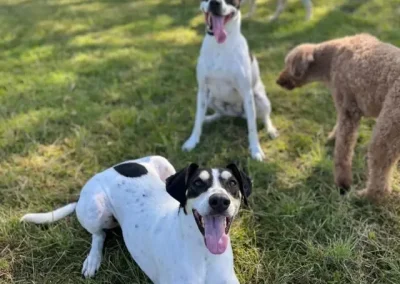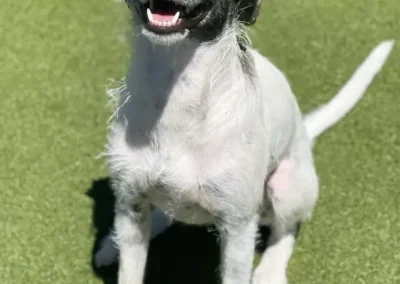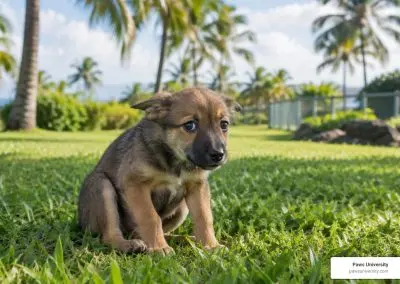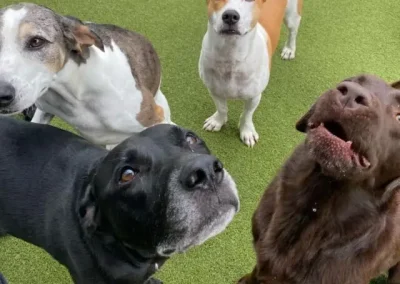
Start Your Big Island Rescue Dog Adoption Journey
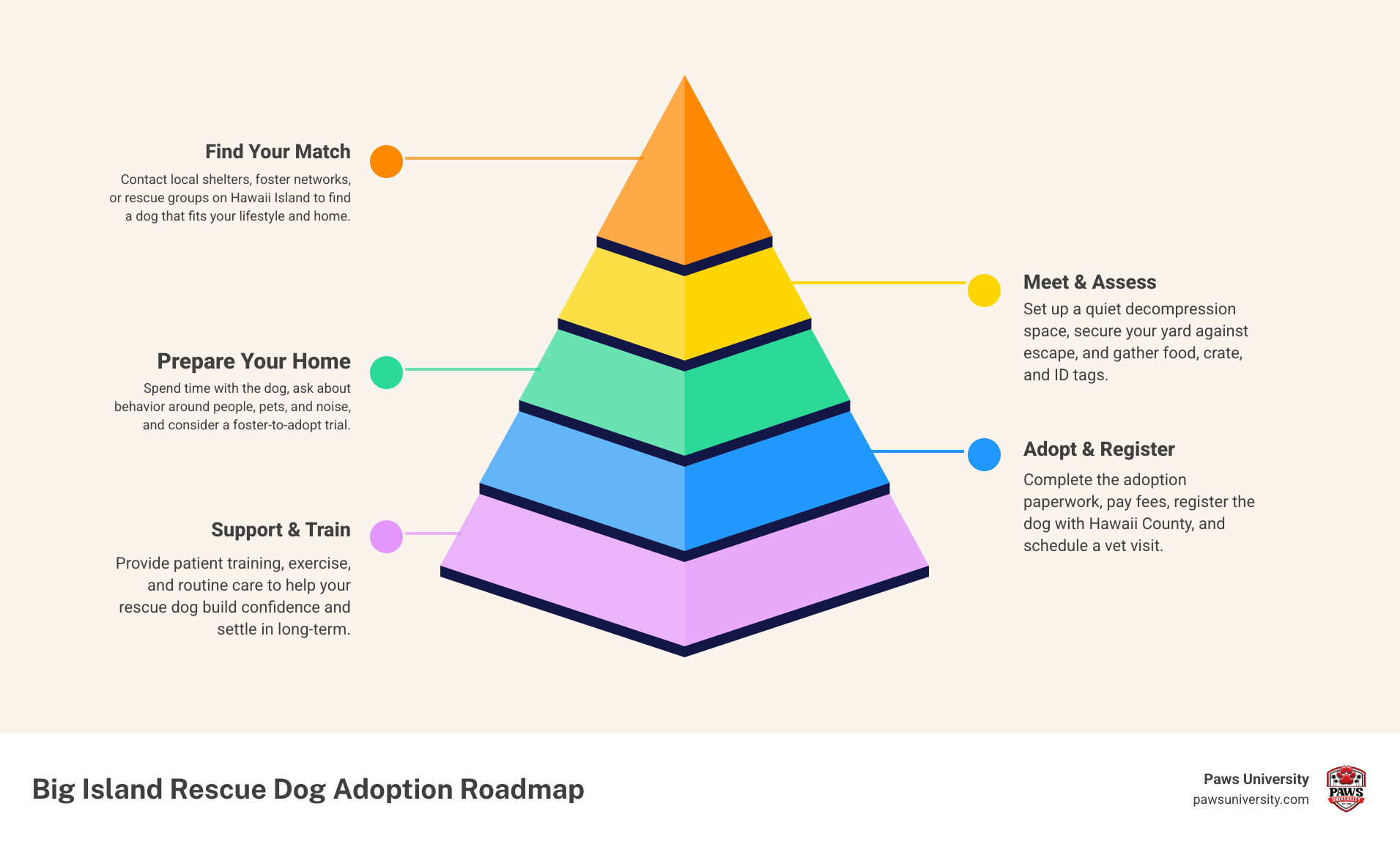
To adopt a Big Island rescue dog, start with a local shelter or foster-based rescue, ask about the dog's history and behavior around people and other pets, and choose a home match you can support every day. Before bringing a dog home, prepare a quiet settling-in space, secure your yard, and plan for patient training, exercise, and veterinary care.
Rescue dogs on Hawaii Island may come from many situations: abandonment, overcrowded shelters, storms, or remote outdoor hazards. The right match matters, especially for busy households managing barking, separation anxiety, reactivity, or destructive behavior. A calm routine and gradual socialization can help a newly adopted dog feel safe.
Adoption also supports a larger community effort. Volunteer foster networks, animal welfare groups, shelters, advocates, and working K9 teams all help protect dogs across the island — from everyday stray intake to emergency response after severe weather.
I am Allen Daniels, a Hawaii Island native and co-founder of Paws University in Kailua-Kona. After more than 25 years training dogs with trust-based, reward-driven methods, I have seen how the right support can help a Big Island rescue dog settle in, build confidence, and become a valued family member.
Rescue Organizations and Community Groups Across Hawaii Island

Caring for abandoned and free-roaming canines across our vast island landscape takes constant teamwork between public agencies, non-profit shelters, and passionate grassroots volunteers. The geographic expanse of Hawaii County means pets in need are spread across diverse microclimates and remote rural regions.
Volunteer-run operations play a monumental role in bridging shelter capacity gaps. Groups such as Action 4 Animals Hawaii operate entirely on volunteer dedication and foster homes, having saved nearly 2,000 animals to date. These foster networks take in vulnerable puppies, injured adults, and senior dogs, nursing them back to health in home settings until loving adopters step forward.
Official stray management and welfare investigations are coordinated through the county Animal Control & Protection Agency, which ensures lost animals are safely impounded, registered, and scanned for microchips. Working right alongside community volunteers, the Hawaii Island Humane Society operates full-service animal community centers in East and West Hawaii, offering adoption counseling, veterinary care, spay/neuter clinics, and educational outreach to prevent pet surrender.
Island-Wide Adoption Events and Supply Drives
Connecting rescue dogs with families happens through dedicated outreach events across both sides of the island. Monthly adoption pop-ups hosted at the Hilo Petco and community locations in Volcano allow prospective adopters to meet foster pets in person. These events give rescue dogs a chance to display their unique personalities outside of a kennel environment.
Community support also fuels essential relief programs. When storms or unexpected challenges impact pet owners, non-profits organize food drives and drop-off stations across Kona and East Hawaii to distribute dry kibble, wet food, and supplies. Local community initiatives provide continuous aid, ensuring foster families have the resources needed to keep pets well-fed and healthy.
Navigating the Big Island Rescue Dog Adoption Process
Welcoming a rescue dog into your home requires understanding the formal adoption steps and legal requirements on Hawaii Island. Whether you adopt through a county facility or a volunteer foster group, the goal is always a safe, lasting placement.
The adoption pathway generally includes an initial application, lifestyle screening, and meet-and-greet sessions with all household members. Under Hawaii County regulations, all stray dogs entering the system must undergo mandatory intake documentation, health assessments, core vaccinations, microchip placement, and spay/neuter surgery before final adoption.
| Adoption Pathway | Intake & Housing Structure | Key Advantages | Best Match For |
|---|---|---|---|
| Municipal Shelters & Humane Societies | Centralized shelter facilities with indoor/outdoor kennels | Direct walk-in visits, large selection of breeds, on-site veterinary teams | Families ready to meet multiple dogs and complete on-site adoptions |
| Foster-Based Rescues | In-home volunteer foster network across the island | Detailed behavioral observations from a real home environment | Adopters looking for home-tested pets with known habits around kids/pets |
How to Choose the Right Big Island Rescue Dog for Your Home
Selecting a canine companion should be guided by lifestyle compatibility rather than breed appearance alone. Island dogs often have mixed hunting, herding, or terrier heritage, bringing a range of natural drives and energy levels.
When reviewing adoptable dogs, consult with shelter handlers or foster parents about how the dog handles daily stimuli, car rides, livestock, and encounters with other pets. If you are introducing a rescue pet into a home with existing pets, follow A Practical Guide to Socializing an Adult Dog to ensure positive, slow-paced introductions that prevent territorial friction.
Preparing Your Space for a Big Island Rescue Dog
A newly adopted rescue needs time, space, and predictability to decompress. The journey from a shelter or foster home into a new environment can trigger temporary stress behaviors, including timidness, hyper-vigilance, or vocalization.
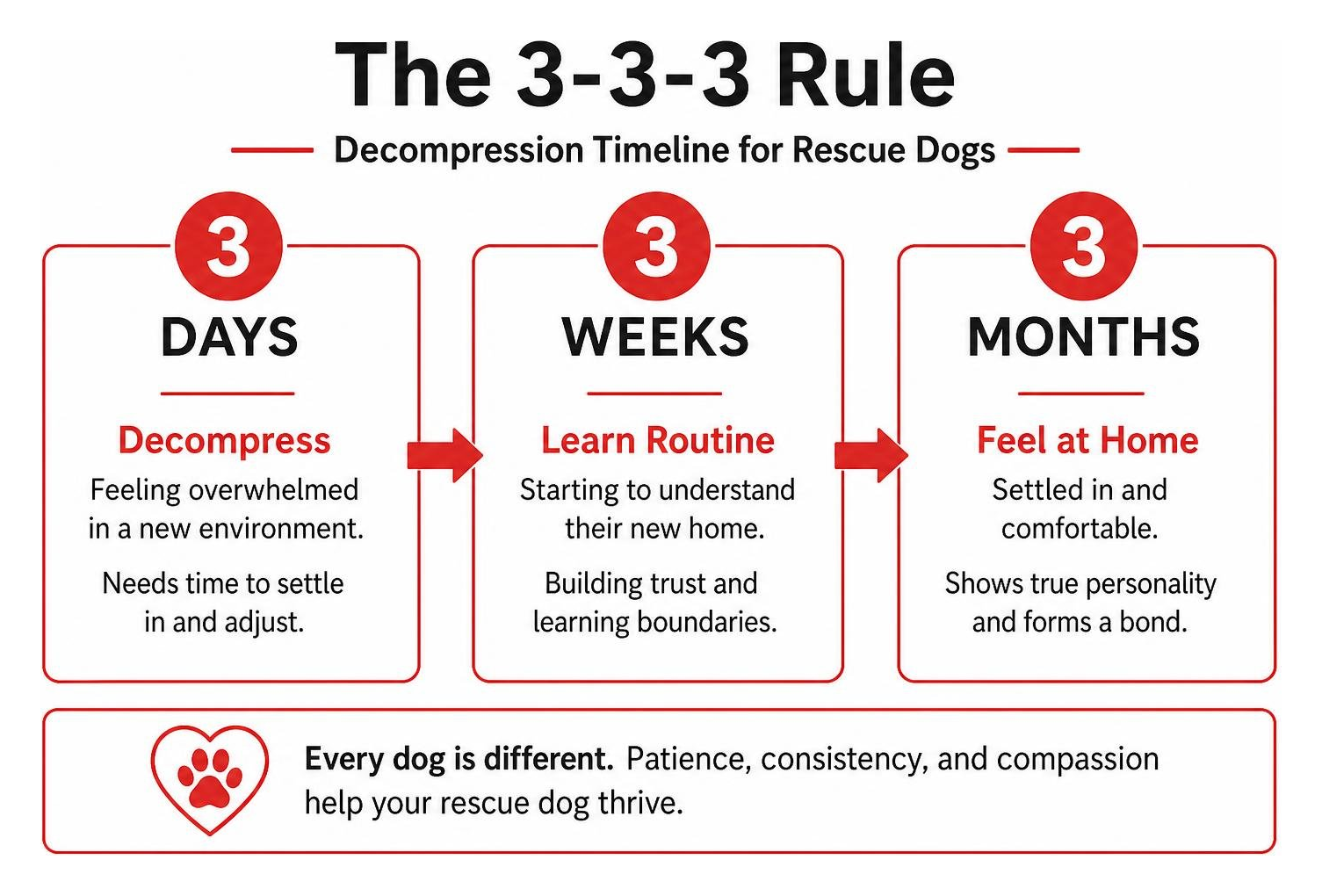
Set up a quiet, dedicated safe area equipped with bedding, fresh water, and positive enrichment toys. Keep initial crate sessions short, positive, and paired with delicious treats, avoiding long isolations while your dog builds trust. Check your perimeter fencing thoroughly to prevent escape attempts, and explore our Ultimate Guide to Managing Separation Anxiety in Dogs to establish comforting daily routines that help your new dog relax while you are away.
Frequently Asked Questions About Big Island Rescues
How can I adopt or foster a rescue dog on the Big Island?
Begin by filling out an adoption or foster application through local non-profit rescue organizations or the humane society. Foster programs provide food, crates, and medical care while you provide a safe temporary home. Many groups also offer foster-to-adopt arrangements, allowing you to ensure the dog is a great lifestyle match before finalizing the adoption paperwork.
What should I do if I find an abandoned stray dog in Hawaii County?
If the dog is friendly and approachable, check for collar tags and contact the county animal control agency or the nearest humane society center to report the found animal. Local veterinary clinics and shelters can scan the dog for a microchip. If the animal is fearful or located in a dangerous area like a highway or lava field, avoid chasing them and contact animal control officers for professional containment.
How do natural disasters impact local dog rescue efforts?
Severe storms, heavy rains, and volcanic activity can displace pets, damage property fencing, and overwhelm local shelters with lost or displaced animals. Non-profit rescue groups and community coalitions coordinate emergency pet food distribution, temporary foster networks, and evacuation assistance to ensure displaced animals receive medical care, nourishment, and safe shelter.
Conclusion
Bringing a rescue dog into your ohana is one of the most rewarding journeys you can take. Every adopted pet represents a life transformed through community compassion, dedicated foster volunteers, and patient, positive care.
Setting your new companion up for lifelong success means establishing predictable daily routines, providing calm decompression time, and continuing social enrichment. At Paws University, we have supported Big Island dogs and their families since 2002 on our seven-acre Kailua-Kona campus. Whether you need guidance from our Safe and Supervised Pet Daycare Kailua Kona Guide or want to build your dog's confidence through our expert boarding and training services, our team is here to help your rescue thrive every step of the way.