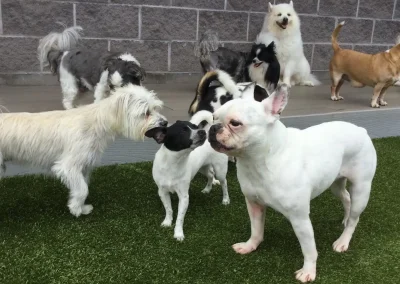
Dog Training Tips That Build Good Habits
The most useful dog training tips are simple: reward the behavior you want right away, use the same cue each time, and practice for a few minutes several times a day. Start in a quiet place, then add distractions slowly. For potty training, take your dog outside often and reward them as soon as they finish.
I’m Allen Daniels, co-founder of Paws University in Kailua-Kona. My dog training tips draw on more than 25 years of working with dogs and an earlier career using reward-based training with marine mammals.
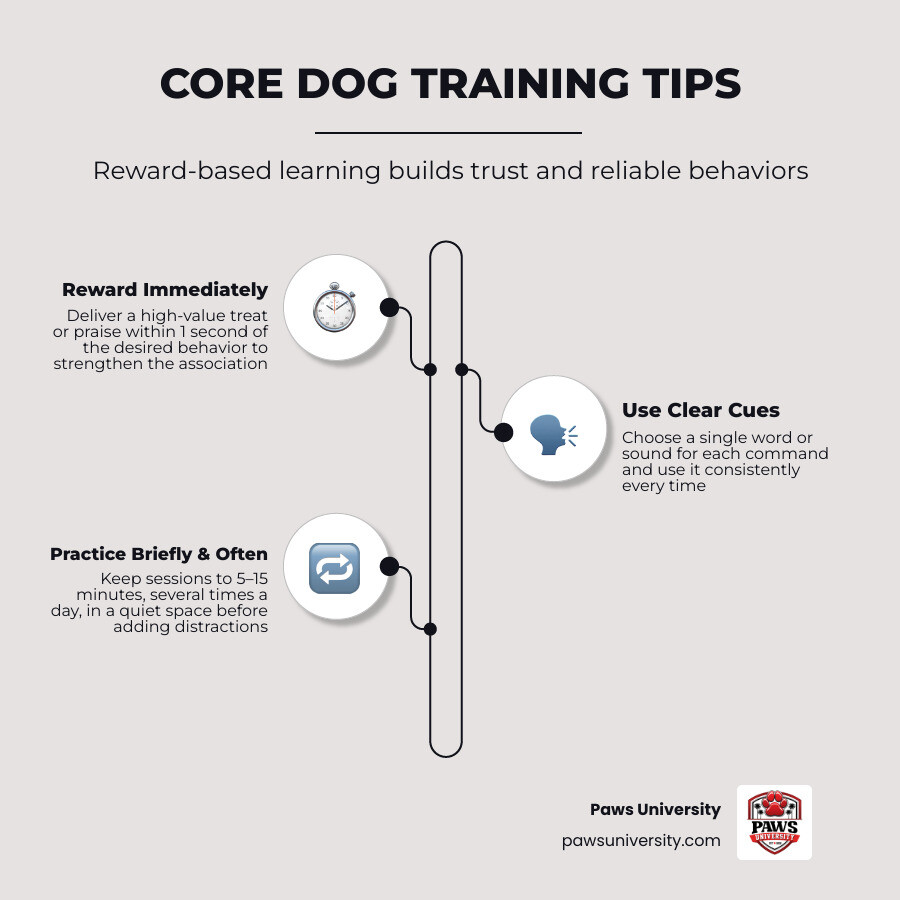
Core Dog Training Tips and the Science of Positive Reinforcement
At its heart, canine learning relies on association and consequence. Dogs repeat behaviors that yield enjoyable results and abandon actions that offer no reward. Modern veterinary and behavioral science confirms that strictly reward-based, positive reinforcement methods cultivate reliable behaviors while strengthening trust between pet and handler.
According to AVSAB guidelines on humane training methods, aversive tools such as prong collars, shock collars, and leash jerks carry significant psychological risks, including increased anxiety, fear, and defensive aggression. Exploring foundational basic dog training methods allows us to replace force with clear communication and motivation.
To teach effectively, we must understand how reinforcement schedules work. When introducing a brand-new behavior, we provide immediate rewards for every single correct response. As the dog gains fluency, we transition to variable rewards to build long-term reliability.
| Reinforcement Stage | Delivery Strategy | Best Use Case | Behavioral Result |
|---|---|---|---|
| Continuous Reinforcement | Reward 100% of correct attempts | Brand-new cues or skills | Fast initial acquisition and clarity |
| Variable Reinforcement | Intermittent, unpredictable rewards | Polished, reliable cues | High engagement, persistence, and endurance |
Foundational Dog Training Tips for Effective Reward Timing
Canine memory connects an action to a consequence within a window of just one to two seconds. If a treat arrives even five seconds after your dog sits, you might inadvertently reward the subsequent action, such as standing up or looking away.
To bridge this gap, positive reinforcement trainers use distinct marker signals, such as an audible clicker or a crisp verbal marker like "yes!"
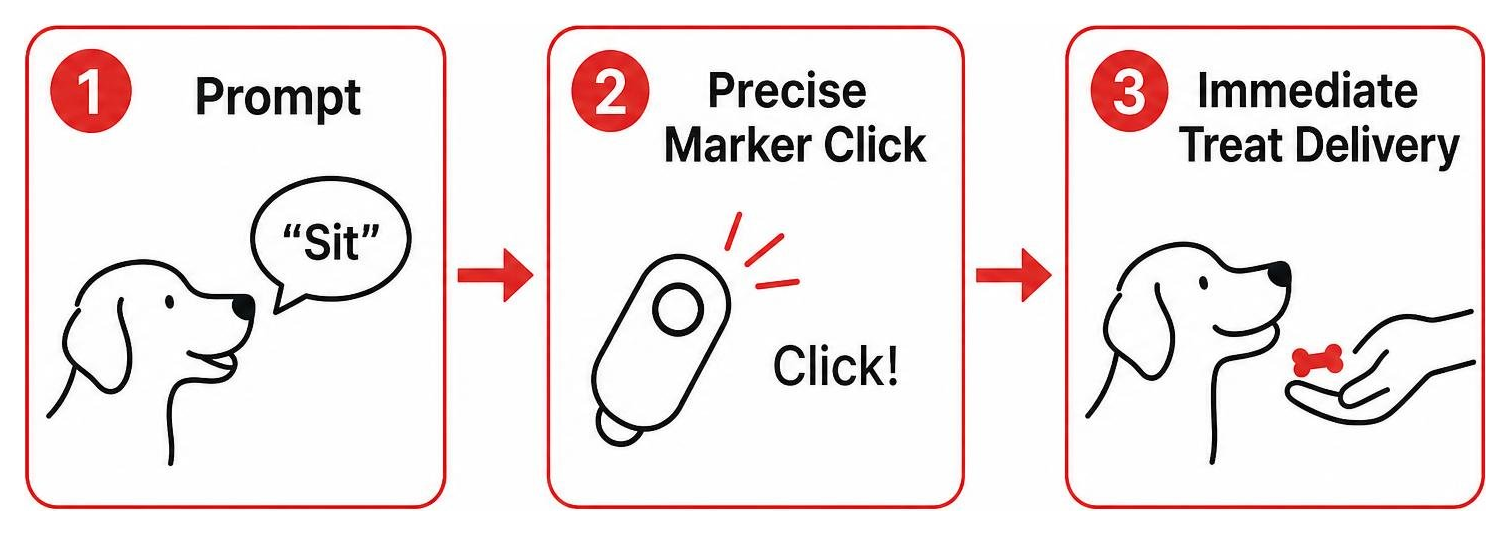
When first building a skill, act like a vending machine: every time your dog performs the desired action, an immediate reward drops. Once your dog demonstrates mastery by succeeding 8 to 10 times out of 10 in low-distraction environments, shift your approach to resemble a slot machine. Unpredictable, high-value rewards keep your dog eager, focused, and guessing when the next jackpot is coming.
Structuring Short and Engaging Training Sessions
Long, repetitive drills quickly lead to mental fatigue, distraction, and frustration for both you and your dog. Most dogs focus best during mini-sessions lasting just 5 to 15 minutes. Puppies, in particular, thrive on multiple short sessions spaced throughout the day rather than one exhausting weekend marathon.
When teaching puppy obedience basics, always aim to conclude each session on a high note with an easy win. Ending with a successful repetition and an enthusiastic reward leaves your dog eager for the next learning opportunity.
Housetraining, Pen Setup, and Positive Crate Management
Successful housetraining relies on proactive management, routine, and tapping into a dog's natural instinct to keep their sleeping area clean. By managing your dog's living quarters while their bladder control develops, you prevent indoor accidents from becoming deeply ingrained habits.
A secure indoor enclosure helps establish these early boundaries. Setting up a puppy playpen gives your companion a safe play space with toys and water while keeping them away from unsupervised household trouble.
Establishing a Reliable Potty Routine
Young puppies have limited bladder capacity and must be taken to their designated outdoor relief area frequently:
- Immediately upon waking up in the morning or after naps
- Within 10 to 20 minutes after eating or drinking
- After vigorous indoor play or training sessions
- At least every one to two hours during active daytime hours
Accompany your dog outside on a loose leash rather than simply opening the back door. Stand quietly in the designated area. The moment they finish eliminating, immediately offer enthusiastic praise and a high-value treat. If an accident occurs indoors, clean the surface thoroughly with an enzymatic cleaner to eliminate biological scent markers that attract dogs back to the same spot.
Creating a Safe Haven with Positive Crate Training
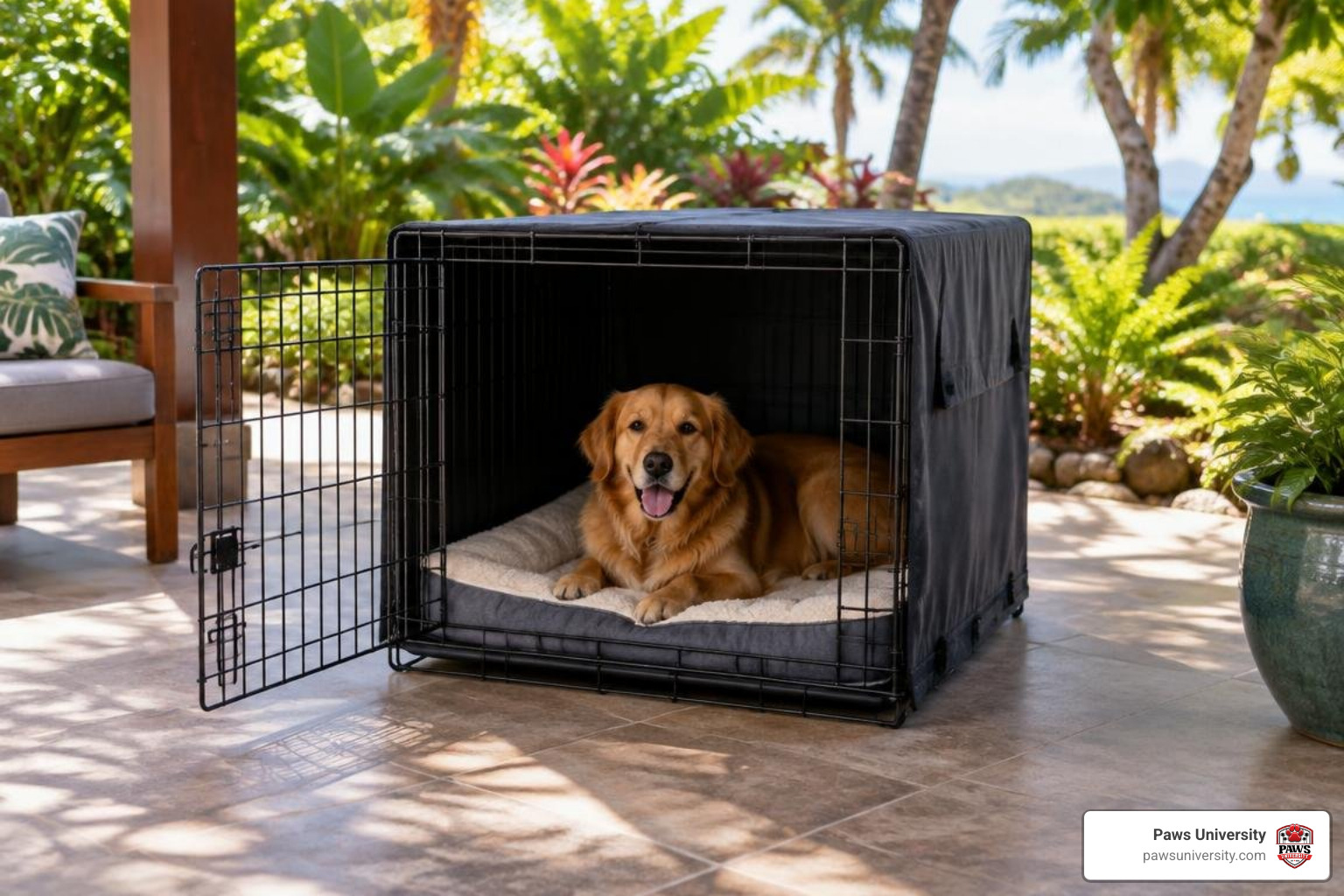
A crate should serve as a cozy den rather than a place of punishment. Introduce the crate gradually by feeding meals inside with the door wide open and scattering favorite treats across the bedding.
Pairing positive associations with quiet resting periods teaches self-soothing skills, which plays an essential role in managing separation anxiety in dogs. Keep initial sessions short, ensuring your dog feels relaxed and secure before you close the door for longer rests.
Essential Commands: The Three Pillars of Canine Obedience
A well-mannered companion relies on three fundamental skills: sitting on cue, returning reliably when called, and walking politely on a loose lead. As highlighted in the PetMD guide to foundational obedience training, mastering these three pillars provides the behavioral baseline needed for everyday life.

Practical Dog Training Tips for Sit, Stay, and Reliable Recall
Teaching foundational obedience cues works best through clear lure-and-reward mechanics:
- Sit: Hold a small treat close to your dog's nose, then slowly sweep your hand upward and backward over their forehead. As their head tracks the treat up, their hindquarters naturally touch the ground. Mark the exact moment their rear hits the floor with your marker word ("yes!") and reward.
- Stay: Ask for a sit, present an open flat palm, pause for just two seconds, mark, and reward while your dog remains in place. Slowly build duration before adding distance or distractions.
- Recall (Come): A reliable recall can save your dog's life. Begin in a quiet hallway, call your dog's name followed by a cheerful "Come!", and take several backward steps. When your dog reaches you, throw a mini "puppy party" with high-value treats and praise.
To ensure safety when transitioning outside, practice mastering outdoor recall and leash manners on a long training line in enclosed fields before attempting off-leash adventures. Never call your dog to you to administer medication, scold them, or end their fun abruptly, as this creates a negative association with the recall cue.
Leash Training and Polite Loose-Leash Walking
Leash pulling is often fueled by opposition reflex and the desire to reach interesting scents ahead. When a dog pulls and successfully moves forward, the pulling behavior is immediately reinforced.
Equip your dog with a comfortable, non-restrictive front-clip harness. The moment tension develops on the leash:
- Stop moving immediately and become a stationary "tree."
- Wait for your dog to turn back, ease tension, or make eye contact.
- Mark that loose-leash moment, reward next to your leg, and resume walking.
Consistency is key when teaching loose leash walking. If pulling consistently stops forward motion, your dog quickly learns that a relaxed, loose leash is the only pathway forward.
Early Socialization and Preventing Behavior Challenges
Socialization is not simply about introducing your dog to dozens of unfamiliar animals; it is about building calm, neutral confidence around diverse real-world stimuli. The critical developmental window occurs during a puppy's first 16 weeks of life. Puppies that receive thoughtful, positive exposure during this period are significantly less likely to develop fear-based reactivity later in life.
Consulting a structured approach for socializing dogs with other dogs helps ensure early greetings remain safe, controlled, and enriching.
Controlled Exposure to New People, Animals, and Environments
True socialization teaches a dog to remain neutral and unbothered by their surroundings. Expose your companion to varied surfaces (gravel, grass, asphalt, wet sand), environmental sounds, moving bicycles, and individuals wearing hats or carrying umbrellas.
Always observe your dog's subtle body language. Look for early stress signals such as lip licking, yawning out of context, whale eyes (showing the whites of the eyes), or stiffening posture. If your dog shows hesitation, increase the distance from the trigger and provide high-value rewards until they relax.
Managing Jumping, Excessive Barking, and Fearfulness
Unwanted behaviors often develop when dogs receive accidental attention for disruptive actions:
- Jumping Up: Enforce the four-paws-on-the-floor rule. Turn your back and withhold all eye contact, touch, and verbal attention whenever paws leave the floor. The exact split-second all four paws return to the ground, turn around, calmly mark, and reward.
- Demand Barking: If your dog barks at you for food, play, or door access, freeze and ignore them completely. Reward quiet moments immediately to teach that calm silence yields results.
- Fearfulness: Never force a fearful dog to interact with something intimidating. Implement counter-conditioning techniques by pairing scary sights at a comfortable distance with delicious treats. This proven methodology is central to calming fear reactivity before it escalates into defensive aggression.
Frequently Asked Questions About Dog Training
How long should daily dog training sessions last?
Keep training sessions between 5 and 15 minutes. Short, highly focused sessions scattered two to three times throughout the day produce far better results than long, exhausting sessions that drain your dog's attention span.
When should you consider professional training support?
Seek professional guidance whenever you encounter persistent behavioral hurdles such as fear reactivity, severe resource guarding, separation distress, or if you feel overwhelmed. Early intervention prevents minor habits from solidifying into entrenched behavioral challenges.
Why are aversive training tools discouraged by modern veterinarians?
Aversive tools rely on discomfort, pain, or intimidation to suppress behavior. Veterinary research shows that these methods frequently increase fear, trigger defensive aggression, and undermine the trust between dogs and their owners. Reward-based training achieves lasting results without these behavioral risks.
Conclusion
Building a well-mannered, confident canine companion requires patient communication, clear reward timing, and daily consistency. Every interaction throughout the day is an opportunity to reinforce the calm, polite behaviors you want to see.
For pet parents in West Hawaii seeking structured guidance, our seven-acre tropical campus provides a supportive setting for socialization and skill-building. Explore our premium dog training classes at Paws University to set your dog up for a lifetime of confident, balanced companionship.