What Are Dog Attachment Issues — and Why Do They Matter?
Dog attachment issues affect a surprising number of dogs — and they can look very different from one animal to the next.
Here's a quick breakdown of what you might be dealing with:
| Behavior | What It Could Mean |
|---|---|
| Follows you from room to room | Normal proximity-seeking (common in most dogs) |
| Panics, destroys, or vocalizes when left alone | Possible separation anxiety |
| Clings excessively but can't be comforted | Anxious/ambivalent attachment style |
| Ignores you or avoids contact when you return | Avoidant attachment style |
| Explores freely, settles quickly after reunions | Secure attachment (healthy) |
Not every clingy dog has a problem. Research shows that around 65% of dogs without separation anxiety still follow their owners closely. But when distress behaviors — like barking, destructive chewing, house soiling, or self-injury — appear specifically when a dog is left alone, that signals something deeper is going on.
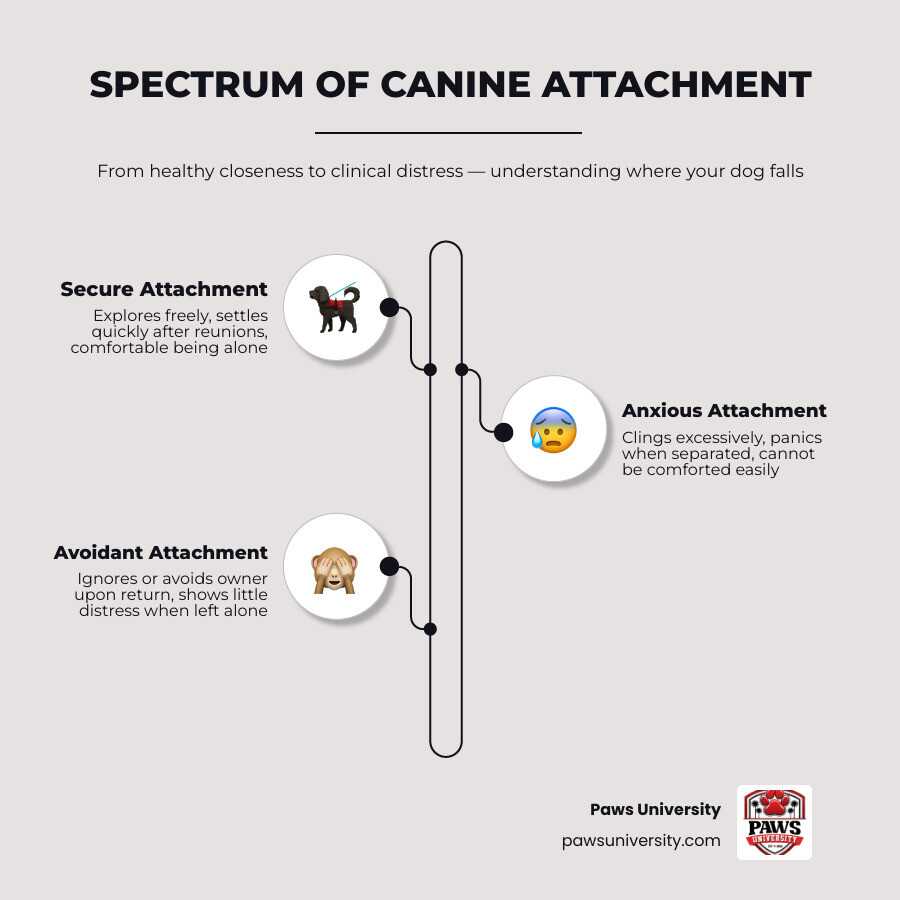
Dog attachment issues exist on a spectrum. At one end, you have normal closeness-seeking behavior that's completely healthy. At the other, you have clinical separation anxiety that causes real suffering for both the dog and their owner.
The good news: most attachment-related problems are manageable with the right approach.
I'm Allen Daniels, co-founder of Paws University and a professional animal trainer with roots in marine mammal behavioral science dating back to the late 1980s — the same trust-based, rewards-driven methods I refined working with dolphins are exactly what I apply when helping dogs overcome dog attachment issues. In the guide below, I'll walk you through everything you need to know to understand, identify, and address what's really going on with your dog.
Simple guide to dog attachment issues:
Understanding the Spectrum of Dog Attachment Issues
When we talk about a dog who struggles with being alone, it is incredibly easy to lump all of their behaviors under the giant umbrella of "separation anxiety." However, canine behaviorists and modern veterinary science view these struggles on a nuanced spectrum. Understanding where your dog falls on this spectrum is the first step toward helping them feel safe.
At the mildest end of the spectrum is attachment nervousness. This is characterized by a general sense of insecurity when the owner is out of sight. A dog with attachment nervousness might whine slightly when you close the bathroom door, pace for a few minutes after you leave the house, or constantly monitor your movements. However, they eventually settle down.
At the moderate-to-severe end of the spectrum is clinical separation anxiety. This is a profound, panic-driven emotional state. Dogs experiencing true separation anxiety do not just feel "sad" or "lonely" — they are in a state of physiological terror similar to a human panic attack.
Understanding this distinction is vital. As discussed in the guide on How to Tell Separation Anxiety From Over-Attachment, a dog who simply loves your company and seeks your proximity is not necessarily pathological. Proximity-seeking is a healthy, natural behavior for companion dogs. When we misinterpret normal companionship as a disorder, we risk over-correcting and damaging the beautiful bond we share with our pets. Conversely, if we dismiss a panicking dog as merely "needy" or "stubborn," we fail to provide the clinical support they desperately need. For a deeper look into clinical panic, you can explore our Ultimate Guide to Managing Separation Anxiety in Dogs.
What Are True Dog Attachment Issues?
In canine behavior science, "true" dog attachment issues refer to a disruption in how a dog uses their owner as a psychological "secure base."
The concept of a secure base comes from human infant psychology. A securely attached toddler will happily explore a room full of toys because they know their parent is there to protect them. If they get startled, they run back to the parent (their "safe haven"), receive comfort, and then go right back to playing.
Dogs do the exact same thing. A dog with healthy attachment behaviors will:
- Send clear, calm "closeness signals" (leaning against your legs, resting their head on your lap).
- Use you as a secure base to explore new, tropical environments, checking in with you occasionally.
- Seek physical contact upon reunion, settle down quickly, and resume their normal activities.
When a dog has an insecure attachment style, this system breaks down. Rather than exploring, an insecure dog may become a "velcro dog," following you step-by-step from room to room because they lack the internal security to exist in a space without your physical presence. According to a landmark study on Attachment security in companion dogs, these attachment patterns are highly observable and measurable, mirroring the way human children bond with their primary caregivers.
Separation Anxiety vs. General Dog Attachment Issues
To help your dog, you must be able to distinguish between clinical separation anxiety, general attachment issues, and other common behavioral problems like boredom or incomplete house training.
If a dog is simply bored, their destructive behavior is usually spread out over the course of the day. They might chew a shoe, nap, shred some mail, and nap again. If a dog is incompletely house trained, they will eliminate indoors whether you are home or not, often hiding the mess in a spare room.
With true separation distress, the behaviors are highly specific:
- The 40-Minute Peak: Most severe, panic-driven behaviors (vocalization, frantic digging at exit points, self-injury) occur within the first 40 minutes of the owner's departure.
- Pre-Departure Triggers: The dog's anxiety begins before you even leave. They start panting, shaking, or hiding the moment you pick up your keys, put on your shoes, or grab your bag.
- Constant Monitoring: The dog rarely spends time outdoors alone and will make desperate, non-stop efforts to maintain physical contact when you are home.

Here is a clear breakdown to help you differentiate:
| Diagnostic Question | Boredom / Lack of Enrichment | Incomplete House Training | Separation Anxiety / Attachment Distress |
|---|---|---|---|
| When does destruction occur? | Spread out randomly throughout the day. | Randomly, often when unsupervised. | Within the first 40 minutes of your departure. |
| Are there physiological signs of panic? | No. The dog is calm, relaxed, or playful. | No. | Yes: heavy panting, drooling, dilated pupils, trembling. |
| Does the dog soil the house when you are home? | No, unless left unmonitored for too long. | Yes, frequently, even when you are in the next room. | No. House soiling happens strictly when you are away. |
| How does the dog react to departure cues? | Unbothered or excited (might think they are going for a ride). | Unbothered. | Shows immediate distress (pacing, whining, hiding). |
The Science Behind Canine Attachment Styles
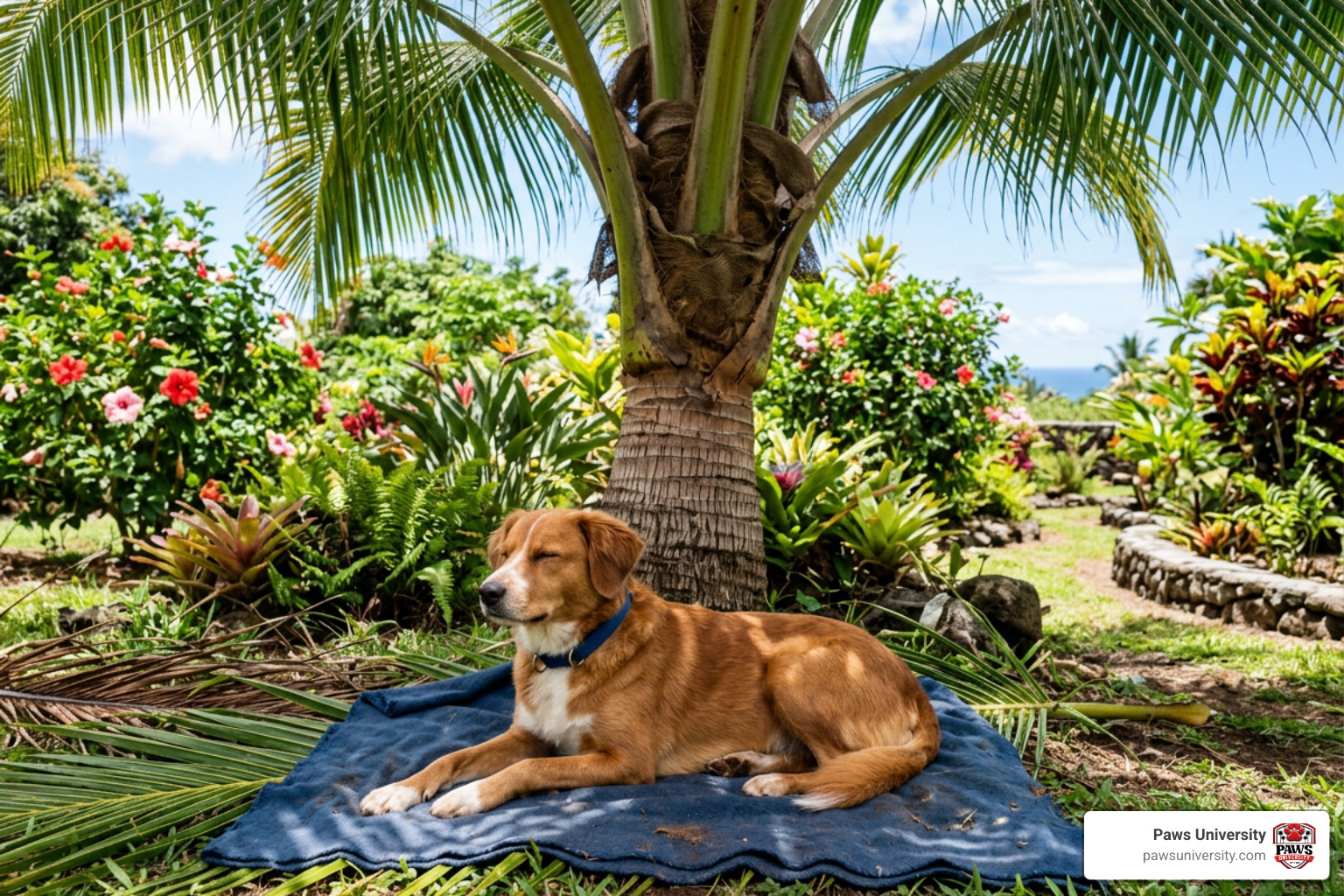
To truly understand dog attachment issues, we have to look at the scientific framework developed by developmental psychologist Mary Ainsworth in the 1960s: the Strange Situation Procedure (SSP). Scientists have adapted this exact test for dogs, observing how they react to a sequence of separations and reunions in unfamiliar settings.
The research shows that companion dogs display the same four primary attachment styles observed in human infants:
- Secure Attachment: About 61% of companion dogs are securely attached. These dogs use their owner as a secure base to explore new spaces. When separated, they may show mild distress or search for the owner. Upon reunion, they actively seek physical contact, receive reassurance, and quickly calm down to explore again.
- Insecure-Avoidant Attachment: An avoidant dog may appear highly "independent," but this independence is actually a coping mechanism for underlying stress. When separated, they show physiological signs of anxiety (like elevated cortisol levels), but upon reunion, they actively avoid eye contact, keep their distance, and focus on sniffing the ground rather than greeting their owner.
- Insecure-Anxious (Ambivalent/Resistant) Attachment: An anxious dog shows extreme distress during separation. Upon reunion, they display a conflicted mix of seeking intense physical contact (like frantic jumping or climbing) while remaining highly distressed and unable to settle down.
- Disorganized Attachment: This style is characterized by highly conflicted, erratic behaviors. The dog might run toward the owner upon reunion, then suddenly freeze, cower, or run away, indicating they view the owner as both a source of safety and a source of fear.
How Owner Personality Shapes a Dog's Bond
The bond between a dog and their owner is a two-way street. Fascinatingly, research indicates that our own personalities and emotional well-being play a massive role in shaping our dogs' attachment styles.
A 2024 UK study on pet attachment and owner mental health revealed that owner neuroticism and poor mental well-being are strongly linked to anxious pet attachment. When we are chronically anxious, stressed, or emotionally inconsistent, our dogs feel that energy. Because they rely on us to be their "secure base," our instability can cause them to develop an anxious attachment style.
Furthermore, a study linking owner personality and pet attachment found that higher neuroticism and lower conscientiousness in humans are mirrored in pet-owner relationships. If we over-console our dogs with high-pitched, anxious energy whenever they show minor signs of fear, we inadvertently teach them that the world is indeed a terrifying place and that their anxiety is justified.
Conversely, the dog's own characteristics — such as unwanted behaviors, fearfulness, or lower sociability — can trigger avoidant attachment styles in owners, creating a frustrating loop where both human and dog feel emotionally disconnected.
The Role of Early Life Experiences and Socialization
How a dog copes with being alone is heavily influenced by their early life. The critical socialization period for puppies occurs between 3 and 16 weeks of age. During this window, their brains are like sponges, mapping out what is safe and what is dangerous in the world.
If a puppy is never taught how to spend time alone during this phase, they are much more likely to develop dog attachment issues later in life. Alone-time training should be a standard part of early puppyhood. To set your young dog up for success, we highly recommend integrating structured guidance, such as our step-by-step program on The Ultimate Guide to Teaching Your Puppy to Be Alone.
In addition to socialization, routine consistency is vital. Dogs thrive on predictability. Abrupt changes in schedule (such as an owner returning to a traditional office job after months of working from home), moving to a new residence, or the sudden loss of a family member are primary triggers for the onset of separation distress. When life changes, maintaining a consistent daily schedule for feeding, exercise, and quiet time can prevent environmental insecurity from turning into a clinical disorder.
Practical Steps to Prevent and Manage Attachment Nervousness
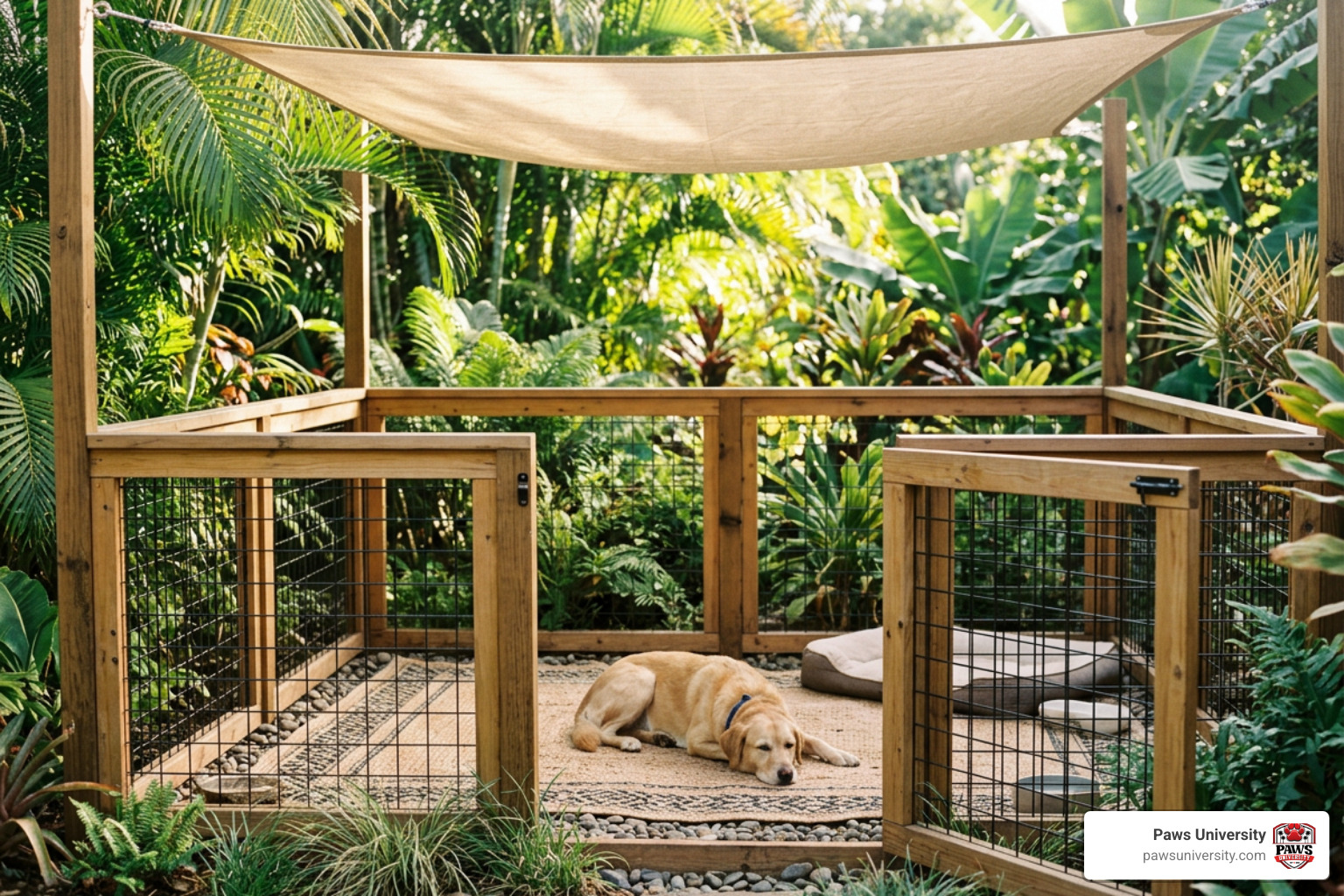
Whether you are raising a young puppy or working with an adult dog showing signs of attachment nervousness, the goal is the same: build their confidence and teach them that independence is highly rewarding.
Here are the foundational steps to manage and prevent attachment-related distress:
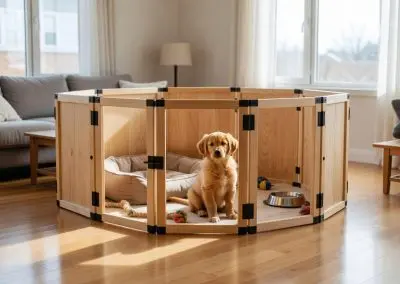
- Set Healthy Boundaries: Do not allow your dog to follow you into every room, especially the bathroom. Use baby gates or playpens to create gentle physical barriers.
- Encourage Independent Play: Provide your dog with interactive puzzle toys, snuffle mats, or frozen chew toys that they only get when they are separated from you by a barrier.
- Establish a Predictable Routine: Keep feeding, walking, and alone-time schedules as consistent as possible to reduce environmental anxiety.
- Create a Dedicated Safe Space: Designate a specific area in your home — like a cozy corner with a comfortable bed, a playpen, or a crate — that your dog associates with safety and relaxation. If you are starting from scratch, check out our guide on How to Successfully Playpen Train Your Puppy Without the Stress.
Desensitization and Counterconditioning Techniques
For dogs with moderate to severe separation anxiety, standard obedience training is not enough. We must use systematic desensitization and counterconditioning to change their emotional response to being left alone.
Step 1: Desensitize Pre-Departure Cues Dogs with separation anxiety are master observers. They know you are leaving long before you walk out the door. They watch you put on your shoes, pick up your keys, or apply sunscreen, and their heart rate spikes.
- Identify your dog's specific pre-departure triggers.
- Perform these actions multiple times a day without actually leaving. Pick up your keys and sit on the couch to watch TV. Put on your shoes, make a cup of tea, and take them off.
- Repeat this until your dog ignores these cues entirely.
Step 2: Graduated Departures Once your dog is relaxed during your departure routine, you can begin very short, graduated departures.
- Walk to the door, open it, step outside for two seconds, and step back in.
- Keep your departures and returns completely low-key. Do not say emotional goodbyes, and do not throw a massive party when you return. Simply walk in, ignore your dog until they settle, and then calmly greet them.
- Gradually increase the time you spend outside the door: 5 seconds, 15 seconds, 1 minute, 5 minutes.
- Crucial Rule: Never progress faster than your dog can handle. If they show any signs of anxiety, you have gone too far too fast. Scale back to the last successful time interval. For more detailed departure strategies, read our expert Dog Anxious When Leave Tips.
Step 3: Counterconditioning with High-Value Rewards Associate your departure with something incredibly positive. Give your dog a high-value, frozen food-stuffed puzzle toy (like a KONG packed with peanut butter or wet food) only when you leave. The moment you return, quietly take the toy away. This teaches the dog that your departure is the only key that unlocks their favorite treat.
Building Confidence Through Rewards-Based Training
Building a dog’s confidence requires a strictly rewards-based approach. Traditional, aversive training methods or physical punishments should never be used; punishing a dog for panicking will only increase their fear and worsen their attachment issues.
One of the most valuable behaviors you can teach an anxious dog is the "settle" command.
- The Settle Command: Train your dog to go to a designated mat or bed and lie down calmly. Reward them with low-value treats delivered directly to the mat at a very slow rate. This teaches them that relaxing on their bed is highly reinforcing. Gradually increase your distance from the mat, teaching them that they can remain relaxed even when you are across the room.
- Ignore Attention-Seeking Behaviors: If your dog whines, nudges your hand, or barks for attention, completely ignore them. Turn your body away and look at the ceiling. The very second they sit or lie down calmly, reward them with quiet praise and affection. This teaches them that calm independence — not frantic demand — is the key to getting your love.
If you are dealing with a dog who trembles, shakes, or paces when stressed, explore our guide on how to Stop the Shakes with These Proven Anxious Dog Solutions.
When to Seek Professional Help and Advanced Interventions
While mild attachment issues can often be resolved with consistent training at home, moderate to severe cases of separation anxiety require professional intervention. If your dog is injuring themselves trying to escape, destroying your home, howling non-stop for hours, or showing signs of profound depression, it is time to seek help.
A Certified Applied Animal Behaviorist (CAAB) or a board-certified veterinary behaviorist can design a customized desensitization plan tailored to your dog's specific emotional profile.
In severe cases, behavioral training alone is incredibly difficult because the dog's brain is constantly flooded with stress hormones, making learning impossible. This is where veterinary-prescribed pharmacological support can be a game-changer. Daily anti-anxiety medications (such as fluoxetine or clomipramine) can help lower your dog's baseline anxiety, opening up a cognitive "window" where they can actually process and benefit from your rewards-based training.
The Value of Structured Daycare and Boarding
One of the hardest parts of treating severe dog attachment issues is that during the initial stages of desensitization, the dog must never be left alone to experience panic. Every single panic attack resets their progress.
This is where structured, professional daycare and boarding become invaluable.
At Paws University, Hawaii County’s premier pet care facility since 2002, we understand the delicate nature of anxious dogs. Located on a beautiful seven-acre campus in Hawaii County, our facility was the first in the state to offer specialized Doggie Daycare.
Our premium, supervised play programs are designed to:
- Build Independence: Spending time away from you in a safe, structured environment helps your dog realize they can have fun and feel secure without their primary caregiver.
- Reduce Behavior Issues: Supervised play with compatible dogs provides vital physical exercise and mental stimulation, leaving your dog tired, relaxed, and happy.
- Provide Alternative Care: Daycare ensures your dog is never left alone to panic while you are at work or running errands, protecting their training progress.
If you need to travel, choosing a boarding facility that understands anxiety is critical. For practical tips on preparing your anxious pet for a stay, read our A Practical Guide to Boarding for Anxious Dogs.
Frequently Asked Questions About Canine Attachment
Why does my dog follow me from room to room?
In most cases, this is normal companion dog behavior. Dogs are highly social pack animals that naturally seek proximity to their family members. They view you as their "secure base" and simply want to be near you. However, if this behavior is accompanied by panting, whining, or panic when you close a door to separate yourself, it may indicate underlying attachment nervousness or separation distress.
Can ignoring my dog's anxiety make it worse?
Yes, absolutely. There is a persistent myth in the dog training industry that you should ignore an anxious dog when they are afraid to avoid "reinforcing" the fear. However, fear is an involuntary emotional state, not a voluntary behavior. You cannot reinforce an emotion with comfort.
Withholding reassurance from a genuinely panicked dog can damage their trust in you, increase their confusion, and potentially foster an insecure-avoidant attachment style. When your dog is frightened, provide calm, quiet reassurance and physical contact using a composed, neutral body language.
How long does it take to resolve attachment issues?
There is no overnight fix for dog attachment issues. Because we are working to reprogram deep-seated emotional responses, progress is gradual and requires absolute consistency. For mild attachment nervousness, you may see significant improvement within a few weeks of setting boundaries and building independence. For severe, clinical separation anxiety, the desensitization process can take several months of dedicated daily training.
Conclusion
Helping a dog overcome dog attachment issues is one of the most rewarding journeys you can undertake as a pet parent. By understanding your dog's unique attachment style, utilizing positive, rewards-based training methods, and maintaining a consistent, predictable routine, you can help your canine companion build the confidence they need to feel safe in the world — even when you are out of sight.
At Paws University, we are dedicated to supporting you and your dog every step of the way. Our seven-acre tropical campus in Hawaii County offers premium daycare, boarding, and training services designed to reduce behavioral issues and foster healthy, secure bonds.
If you are ready to help your dog build confidence and overcome their separation struggles, explore our Paws University Training Services today. Together, we can help your furry family member live a happier, more independent life.