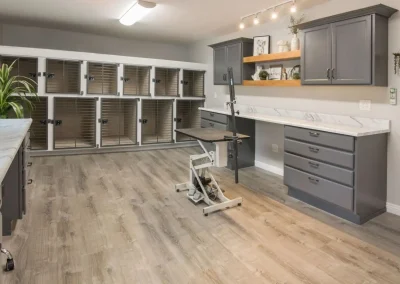
Find the Right Puppy Pen Crate Setup
A puppy pen crate setup combines two useful tools: a crate for a snug sleeping and short-rest space, and a pen for safe movement, water, toys, and a separate potty area.
| Option | Best for | Key difference |
|---|---|---|
| Crate | Sleeping, short daytime rests, travel, and early housetraining | Small, enclosed den-like space |
| Puppy pen | Supervised play, longer daytime management, and keeping a puppy out of trouble | More room to stand, move, and play |
| Pen-and-crate setup | Building a complete puppy zone at home | An open crate becomes the sleeping area inside a larger pen |
The right choice is not about buying the biggest enclosure. It is about matching the space to your puppy's age, needs, and time alone. Young puppies need plenty of rest - often 16 to 18 hours per day - but they also need regular potty breaks, safe movement, and calm practice being apart from you.
For busy West Hawaii homes, a well-planned confinement area can help prevent chewing, accidents, barking, and tense interactions with children or other pets. Used kindly, it gives your puppy a predictable place to settle while you manage real life.
I am Allen Daniels, a Hawaiʻi Island native and co-founder of Paws University, and I have spent more than 25 years using reward-based training to help dogs feel safe in spaces such as a puppy pen crate area. In this guide, I will help you compare each option and understand what fits your puppy and home.
Puppy pen crate vocabulary:
Puppy Pen vs. Crate vs. Hybrid Setup
Deciding how to manage your young dog at home often comes down to understanding the distinct roles of a traditional crate, an exercise playpen, or a combined hybrid arrangement. While all three aim to keep your companion secure, they serve completely different developmental purposes during early canine growth.
A standard crate acts as a small, secure sanctuary that taps into a dog’s natural desire for a cozy den. In contrast, a playpen provides an expanded enclosure where your pup can stretch their legs, play with enrichment toys, drink water, and move about without full access to your living room. A hybrid setup attaches an exercise pen directly to an open crate, merging the benefits of both tools into a comprehensive "Puppy Zone."
| Feature | Dog Crate | Puppy Playpen | Hybrid Pen Crate Setup |
|---|---|---|---|
| Primary Focus | Naptime, night sleeping, short rest | Movement, enrichment, water access | Full long-term confinement area |
| Space Provided | Fits body length with room to turn | Multi-panel wide play area | Combined sleep and activity zones |
| Daytime Limit (Pups) | Maximum 2 hours | 2 to 4 hours (with potty zone) | Flexible extended daytime stays |
| Housetraining Role | Teaches bladder/bowel control | Allows designated potty zone | Separates bed from potty space |
| Mobility & Stretch | Minimal movement | High freedom of movement | Complete freedom between den & pen |
Understanding the Dog Crate
A dog crate is a fully enclosed box with four walls, a roof, and a secure latching door. When sized correctly, it gives your young dog just enough space to stand up, turn around, lie down comfortably on their side, and stretch out their legs.
Crates work so well for early housebreaking because dogs naturally avoid soiling their immediate sleeping space. Because young pups spend an average of 16 to 18 hours sleeping every day, a crate offers a distraction-free environment that promotes deep rest. However, physical bladder control in young puppies is strictly limited. Young pups should never be crated for more than two consecutive hours during the day. Keeping a puppy locked in a tight crate past their physical capacity forces them to soil their bed, breaking down their natural cleanliness instinct and causing emotional distress. For more on positive den training, explore our guide on Crate Training Teaching Your Dog to Love Their Space.
Understanding the Puppy Playpen
An exercise playpen (or ex-pen) consists of hinged, modular panels that enclose a much wider footprint than a crate while remaining open at the top. Pens give young dogs room to wag their tails, stretch out fully, play with chew toys, and access fresh water throughout the day.
Playpens are ideal when you need to confine your pup for slightly longer stretches—such as when working from home or cooking dinner—without keeping them tightly restricted. Because a pen offers extra floor space, it allows room for a designated potty station away from sleeping quarters. To build a secure enclosure quickly, check out our guide on How to Set Up a Puppy Pen in Less Than an Hour.
Setting Up a Hybrid Puppy Pen Crate Area
A hybrid puppy pen crate system combines both tools into one seamless enclosure. By attaching an exercise pen directly around the frame of an open-door crate, you create a long-term confinement area.
In this layout, the open crate functions as a dark, cozy bedroom, while the surrounding playpen serves as a living room with water, toys, and an optional toilet pad. This gives your puppy the psychological freedom to choose where they want to rest. It also removes the pressure of being locked inside a small space while still protecting your furniture, shoes, and electrical cords. Learn detailed layout ideas in this article on How to Set Up a Long–Term Puppy Confinement Area | Preventive Vet.
Comparing Pen vs. Crate Options: Which Puppy Pen Crate System Fits Your Home?
Selecting the right setup requires balancing your dog’s age, daily routine, home layout, and overall temperament. There is no one-size-fits-all answer; what works best for a eight-week-old toy breed may differ from what an energetic six-month-old working dog needs.
Choosing Based on Confinement Duration and Age
Duration of confinement is the primary factor when choosing between a pen, a crate, or a combined system. While adult dogs can comfortably manage three to four hours in a crate during the day, young puppies have tiny bladders and limited impulse control.
- Short-Term Stays (Under 2 Hours): A standard crate is highly effective for short morning naps, brief outings, travel safety, and focused housetraining routines.
- Extended Daytime Stays (2 to 4 Hours): A playpen or hybrid puppy pen crate layout is necessary. It gives your dog space to move, stretch their limbs, drink fresh water, and eliminate on a paper pad without soiling their bed.
- Overnight Sleep: A standalone crate placed near your bed is often best for young pups because the cozy enclosure helps them feel secure while letting you hear them when they wake up to use the bathroom. Read our complete walkthrough in The New Owner Guide to Overnight Puppy Care and Potty Training.
Multi-Pet Household and Safety Benefits
In busy, multi-pet households, a exercise pen or crate serves as an essential safety barrier. Introducing a lively new pup to older resident dogs, cats, or young children can sometimes lead to overstimulation or accidental injury.
Setting up "gated communities" inside your home allows your puppy to observe household rhythms without getting underfoot or chasing older pets. It teaches the behavioral rule: presence does not mean access. Your pup learns to stay relaxed in the presence of family activity without expecting non-stop play.
Furthermore, pens can be used in reverse! You can place older resident dogs inside an ex-pen with a high-value chew bone so they can enjoy undisturbed quiet time away from a playful puppy. This prevents resource guarding and stress. Discover more multi-pet management strategies in our Puppy Socialization Guide Other Dogs.
How to Choose the Right Features and Materials
Investing in the right physical structure saves time, protects your floors, and ensures your dog stays safe. When evaluating commercial options, consider overall panel height, door access, locking mechanisms, and material durability.
Key Features to Look for in a Puppy Pen Crate
- Panel Height & Escape Prevention: Ensure pen walls are tall enough that your pup cannot jump over or climb out. A 24-inch height works well for small breeds and young pups, but larger breeds may need 32-inch to 45-inch panels.
- Threshold-Free Entry: Look for swing doors that lack a bottom frame bar. Threshold-free walk-through doors stop clumsy young puppies from tripping when going in and out.
- Floor Protection & Non-Slip Base: Metal pen bases can slide or scratch floor finishes. Look for systems with non-slip silicone feet or padded floor mats.
- Noise Reduction: Metal panel connections can rattle when dogs move against them. Quality pens feature rubberized rings or muffler tubes between panel joints to dampen sound and reduce anxiety.
- Modern Crate Alternatives: Modern bar-free enclosures made with clear acrylic panels or smooth furniture-grade finishes offer high visibility without metal bars, reducing the risk of teeth or collar snagging.
Material Considerations: Wire, Plastic, and Soft-Sided
- Heavy-Duty Wire/Steel: Heavy metal pens offer excellent durability, strength, and customizable modular panel configurations.
- Molded Plastic: Plastic pens are lightweight, chew-resistant, non-rusting, and easy to sanitize. They work exceptionally well for indoor play areas or outdoor lawn play on mild days.
- Soft-Sided Oxford Fabric & Mesh: Soft pop-up pens are highly portable, making them ideal for travel, park visits, or camping. Look for scratch-resistant 600D Oxford cloth and breathable mesh windows. Multi-functional models also include top shade covers and bottom mats for outdoor use.
- Specialized Breeder Designs: Professional breeder pens feature elevated wire floor grids over slide-out trays for easy waste management.
Setting Up and Acclimating Your Puppy Positively
A pen or crate should always represent comfort, safety, and pleasant rewards. If a dog is suddenly trapped in a new enclosure without proper acclimation, they may panic, bark, or experience distress.
Layout of a Complete Puppy Zone
When configuring a long-term puppy pen crate area, separate the floor plan into distinct functional zones. Dogs naturally dislike sleeping right next to their toilet area, so maintain as much physical distance between zones as possible (ideally at least one meter in larger setups).
- Sleeping Zone: Place an open crate fitted with a soft blanket or orthopedic bed in a quiet corner of the pen.
- Water Station: Place a heavy, tip-proof bowl or a clamp-on water bucket on the side opposite the bed.
- Potty Zone: Set up grass turf patches or absorbent pads as far from the sleeping bed as the pen space allows.
- Enrichment Zone: Leave open floor area for safe, durable chew items (like rubber food-dispensing toys or stuffed Kongs). Tethering rubber toys to the pen wall with a short rope keeps them from rolling into the toilet area!
For step-by-step room layout tips, read How to Successfully Playpen Train Your Puppy Without the Stress.
Step-by-Step Positive Introduction
At Paws University, we strictly advocate for positive, reward-based training. Teaching your companion to love their enclosure takes patience and positive reinforcement.
- Step 1: Open Door Exploration: Set up the enclosure with the doors secured wide open. Scatter high-value treats and kibble inside without locking your pup in. Let them sniff and explore freely.
- Step 2: Feed Meals Inside: Begin feeding daily meals inside the open crate or pen area. This builds a strong positive association with the space.
- Step 3: Introduce Chews and Brief Door Closures: Give your dog a long-lasting chew toy inside the pen. While they are happily engaged, gently latch the door for 30 seconds, then open it before they finish their treat.
- Step 4: Build Duration Gradually: Slowly increase time inside the enclosure from two minutes to ten, then to thirty minutes. Stay in the room initially before practicing stepping away briefly.
- Step 5: Low-Key Departures and Returns: Keep entrances and exits calm. Avoid emotional goodbyes or overly dramatic greetings so your dog learns that staying in their area is a relaxed, normal routine.
Master alone-time confidence with our comprehensive guide on The Ultimate Guide to Teaching Your Puppy to Be Alone.
Common Mistakes to Avoid
- Never Use Enclosures for Punishment: Never send your puppy to their crate or pen when you are frustrated or angry. The enclosure must remain a safe retreat, not a place of discipline.
- Avoid Over-Confinement: Keeping young pups locked up too long leads to joint stiffness, muscle weakness, excessive energy outbursts, and housebreaking set-backs.
- Don't Let Them "Cry It Out": Ignoring severe distress, vocalizing, or frantic digging can exacerbate separation anxiety. If your dog whines, wait for a two-second pause in vocalization, then calmly step in to assess their needs (such as an urgent potty break).
- Soiling the Bedding: Forcing a dog to stay confined past their physical bladder limits forces them to soil their sleeping space, destroying housebreaking progress.
If vocalization becomes an issue, check out our guide on How to Quiet a Whining Puppy in Their Playpen for Good.
Frequently Asked Questions
How long can a puppy stay in a pen vs. a crate?
Young puppies should not spend more than two consecutive hours locked in a standard daytime crate because of physical bladder limits and emotional needs. In contrast, a spacious exercise pen or hybrid puppy pen crate setup with a designated potty pad and water bowl can accommodate daytime management for two to four hours while you focus on household chores or work.
Can you put a potty pad inside a playpen?
Yes, placing a potty pad or indoor turf patch inside a playpen is a key benefit of a long-term confinement area. To maintain good hygiene habits, position the potty pad as far away from your pup's sleeping bed and water bowl as possible. This preserves their natural instinct to keep their bed clean while giving them an acceptable toilet spot during longer stays.
Should a puppy sleep in a pen or crate at night?
For night sleep, a closed standard crate placed near your bed is usually best for young pups. The snug, den-like space helps them feel secure in the dark, and its smaller footprint prevents nighttime potty accidents. Once your dog is older and fully housebroken, transitioning to a pen or open-room environment becomes much easier.
Conclusion
Creating a safe, comfortable environment for your young dog doesn't mean choosing between a crate and a pen. By understanding how each tool works—and how combining them into a hybrid puppy pen crate zone provides both den-like comfort and room to move—you set your home up for long-term stress-free living. Focus on reward-based acclimation, keep confinement limits appropriate for your pup's age, and make every experience inside their space positive.
When you need extra help building confidence, refining house manners, or socializing your dog in a safe environment, our team is here for you. Explore our premium group classes and individualized programs by visiting Professional Dog Training Services at Paws University.