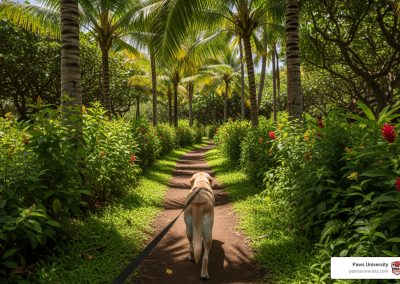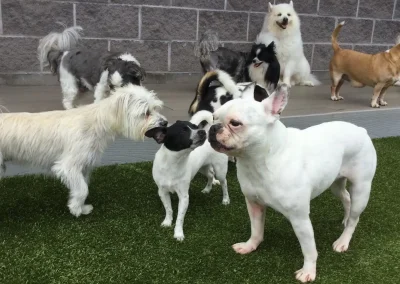
The Critical Socialization Window: Timing is Everything
What is puppy socialization, and why does it feel like every veterinarian, trainer, and experienced dog owner in Hawaii County is talking about it?
At its core, puppy socialization is the intentional process of introducing your young dog to a wide variety of sights, sounds, smells, environments, people, and other animals. It is not just about letting your puppy play with other dogs. Instead, it is about teaching them that the world is a safe, predictable place where they do not need to react with fear or aggression to novel experiences.
According to veterinary and behavioral consensus in 2026, proper socialization is the single most important factor in your dog's long-term behavioral health. The statistics are stark: behavioral issues, not infectious diseases, are the number one cause of death for dogs under three years of age. Furthermore, puppies who miss out on structured socialization between roughly 3 and 16 weeks of age are up to four times more likely to be surrendered to shelters before they turn three.
When you proactively guide your puppy through a structured Puppy Socialization Guide, you are building their confidence and helping them form a "mental reference library" of safe experiences. When a puppy encounters something new during this early phase, their brain registers it as "normal." If they miss this window, their brain's default reaction to the unfamiliar flips to "potentially dangerous," which often manifests as fear, anxiety, and reactivity. By prioritizing early exposure, you can prevent common behavioral struggles before they start, saving you from searching for answers on How Do I Stop My Puppy from Growling and Biting later in their life.
Socialization vs. Habituation
To master the best ways to socialize your puppy, it helps to understand the difference between active socialization and habituation.
- Socialization involves active, positive engagement. This is where your puppy interacts with a person, eats a high-value treat, and learns that people in hats or sunglasses are wonderful sources of rewards.
- Habituation is the process of learning to ignore things in the environment. It is teaching your puppy passive indifference and environmental neutrality. You want your puppy to look at a passing bicycle, a lawnmower, or a trash truck, register its presence, and decide it is not worth reacting to.
Only 1 in 10,000 dogs will naturally engage with their handler without training in highly distracting environments. That is why we focus heavily on building engagement with you, the owner, rather than allowing your puppy to constantly greet every single person or dog they see. Teaching your dog to remain calm and look to you for direction in the presence of distractions is a core element of a rewards-based puppy socialization program.
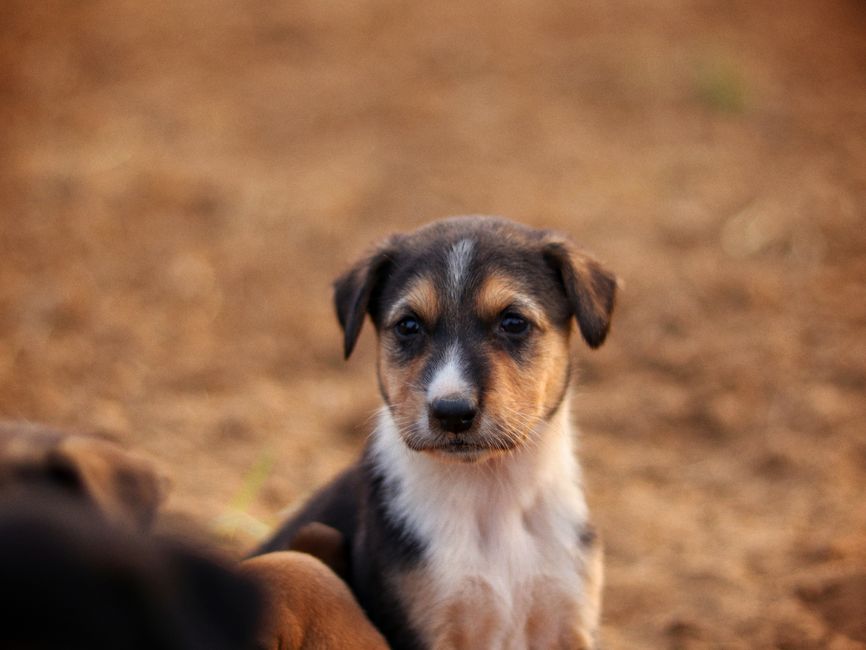
When it comes to training, timing is everything. The primary puppy socialization period is a biologically programmed window that opens at 3 weeks of age and begins to close rapidly between 12 and 16 weeks.
During this Puppy Socialization: The 3–16 Week Window (2026 Vet Guide) phase, a puppy's brain is in a state of accelerated neuroplasticity. Their fear response is not yet fully developed, meaning they are incredibly open to new experiences. They classify novel stimuli as safe by default.
However, once you pass the 14-to-16-week mark, this developmental window closes. The brain filter flips: anything unfamiliar is now categorized as a potential threat. While you can still train and desensitize an older puppy or an adult dog, the process is significantly more difficult, takes much longer, and often requires working backward to undo established fear responses.
The 8 to 12 Week Golden Window
The most critical portion of this window for new owners is the period between 8 weeks and 3 months (12 weeks) of age. This is the "Golden Window."
Usually, this is when your puppy leaves the breeder and transitions into your home. Reputable breeders lay the groundwork from weeks 3 to 8 by exposing puppies to household sounds, different flooring textures, and gentle handling. Once the puppy is in your care, it is your turn to build on that foundation.
During this time, the puppy's natural sociability still outweighs their caution. It is the perfect moment to establish basic routines, introduce gentle boundaries, and build positive associations. If you are navigating this transition, our The New Owner Guide to Overnight Puppy Care and Potty Training can help you keep your puppy's home environment calm, predictable, and positive.
Best Ways to Socialize Your Puppy Before Full Vaccination
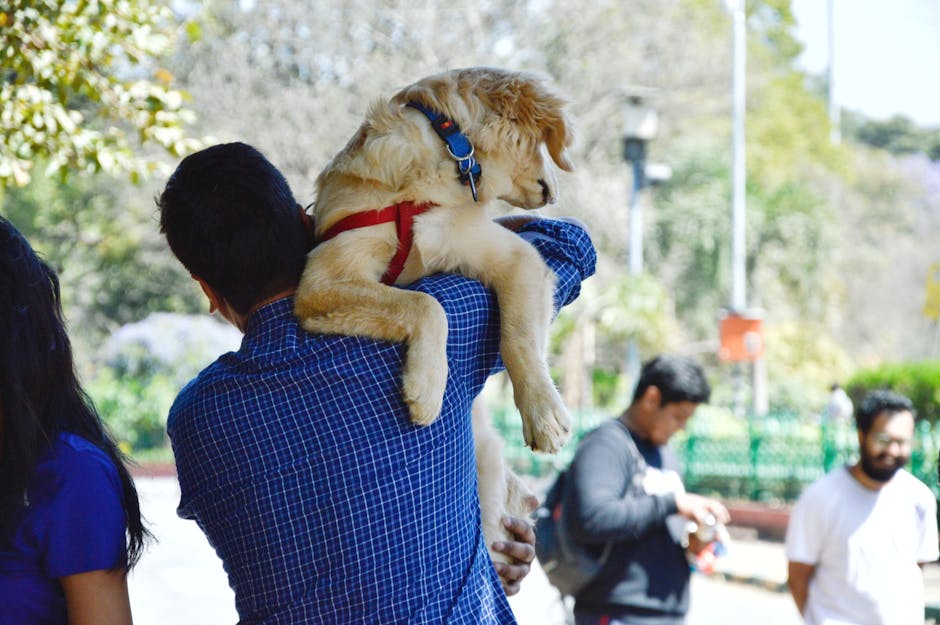
A common dilemma for new puppy owners is the apparent conflict between veterinary vaccination schedules and socialization windows. Puppies receive their DHPP (Distemper, Hepatitis, Parvovirus, and Parainfluenza) vaccines in a series of shots, usually spaced 2 to 4 weeks apart, finishing around 16 to 18 weeks of age.
Historically, owners were told to keep their puppies entirely indoors until they were fully vaccinated. However, the American Veterinary Society of Animal Behavior (AVSAB) and modern veterinary consensus state that the behavioral risks of under-socialization far outweigh the infectious-disease risks of careful, controlled early outings.
Waiting until 16 weeks to step outside means missing the critical socialization window entirely. Fortunately, you can safely navigate this period by using a structured Puppy Socialization Checklist and avoiding high-risk environments.
| Safe Environments (Low Risk) | High-Risk Environments (Avoid) |
|---|---|
| Your private, fenced yard | Public dog parks |
| Paved parking lots (carrying your puppy) | Pet store floors |
| Friends' homes with fully vaccinated adult dogs | Sandy public beaches with high dog traffic |
| Premium, sanitized puppy training facilities | Vet clinic floors and waiting areas |
Safe Pre-Vaccination Outings
You do not need to let your puppy's paws touch the ground to socialize them. Some of the best ways to socialize your puppy safely before they are fully vaccinated include:
- The "Puppy Purse" Method: Carry your puppy in a secure bag, a stroller, or simply in your arms. Walk around outdoor shopping areas or local parks in Hawaii County. They get to experience the sights, tropical breezes, and sounds of the island without risking exposure to ground-borne pathogens.
- Car Rides: Take your puppy on short car rides to experience the motion of the vehicle, the sound of the engine, and the view from the window.
- Elevated Surface Exposure: Place your puppy on a clean blanket inside a shopping cart at a pet-friendly garden center or home improvement store. This allows them to see people of all shapes, sizes, and outfits from a safe, elevated vantage point.
- Blanket Picnics: Lay a clean, heavy blanket down in a quiet grassy park. Sit with your puppy on the blanket, feeding them treats as they watch the world go by.
Selecting a Safe Puppy Class
A well-run puppy kindergarten class is the gold standard for early exposure. When choosing a class or a dog training for socialization program, look for facilities that enforce strict safety protocols:
- Vaccine Verification: All puppies must have received a minimum of one set of vaccines and a deworming treatment at least 7 days prior to their first class.
- Sanitation: The training floor and equipment must be thoroughly disinfected with parvo-effective cleaners before every session.
- Small Class Sizes: Groups should be limited to 4 to 8 puppies of similar ages and sizes to prevent overcrowding and bullying.
- Rewards-Based Methods Only: The class must use positive reinforcement. There should be no leash corrections, physical punishments, or intimidating language.
A Step-by-Step Guide to Environmental Exposure
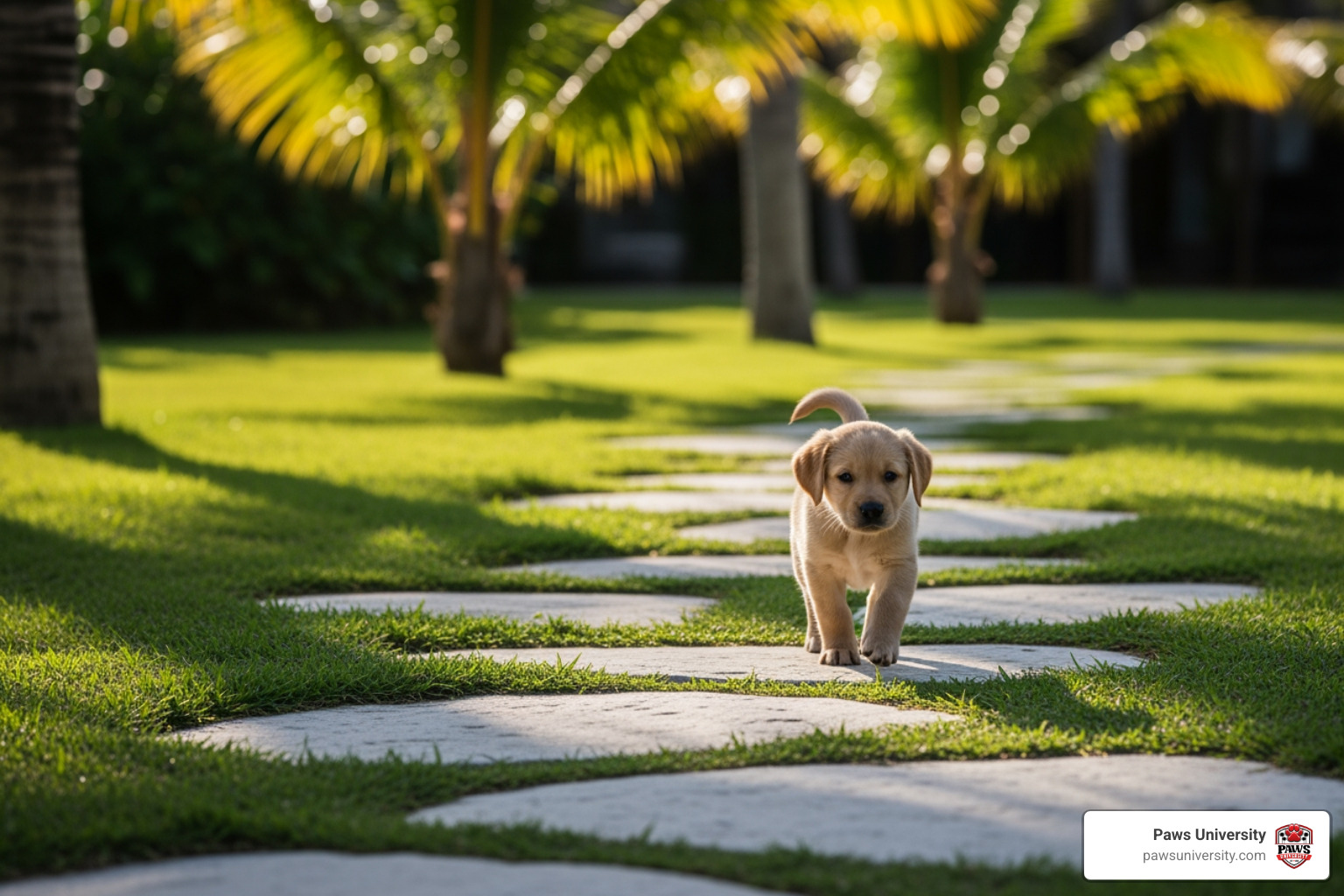
To raise a confident, well-adjusted adult dog, you want to systematically introduce them to a diverse range of environmental stimuli. We like to think of this as building a "bomb-proof" foundation. You can easily track your progress with a structured puppy socialization checklist.
Introducing New People and Surfaces
When introducing your puppy to new people, focus on variety. Aim for your puppy to observe or meet people of different ages, ethnicities, heights, and physical abilities. This includes individuals wearing hats, sunglasses, heavy coats, or using mobility aids like walking sticks, crutches, or wheelchairs.
Introduce different surfaces gradually. Walking on carpet is very different from walking on smooth tile, wet grass, crunchy gravel, wooden decks, or smooth lava stone. Encourage your puppy to explore these textures at their own pace, using high-value food rewards to build positive associations. If you are working on leash walking during these explorations, our guide on how to Walk This Way and Master the Leash with Your New Puppy offers helpful tips for maintaining focus and engagement.
Handling and Vet Prep
Grooming and veterinary visits will be a lifetime requirement for your dog. You can make these experiences stress-free by practicing cooperative care handling at home:
- Paw Touching: Gently touch and hold each of your puppy's paws, rewarding them with a lick of peanut butter or a high-value treat. Gradually progress to touching individual toes and nails.
- Ear and Mouth Inspections: Gently lift their lips to look at their teeth, and peek inside their ears.
- Grooming Tools: Introduce brushes, nail clippers, and blow dryers slowly. Let your puppy sniff the tool while turned off, reward them, and then turn it on at a distance before ever bringing it near their body.
- Gentle Restraint: Practice hugging your puppy gently, mimicking the hold a veterinary technician might use during an exam or blood draw.
How to Keep Socialization Positive and Avoid Overwhelm
The quality of your puppy's socialization experiences is far more important than the quantity. Three calm, positive exposures are infinitely better than thirty chaotic, overwhelming ones.
A common mistake is "flooding" — exposing a puppy to an intense, scary situation and forcing them to stay there until they "get over it." This often has the opposite effect, sensitizing the puppy and creating deep-seated, lifelong fears. To prevent this, always let your puppy set the pace. If they hesitate to approach a person, object, or environment, do not pull them closer on the leash or pick them up and force the interaction. Back away, increase the distance to a level where they feel safe, and reward them for looking at the stimulus calmly.
Reading Puppy Body Language
To ensure your puppy is having a positive experience, you must learn to read their subtle body language signals.
Puppy Comfort Spectrum:
[ Relaxed/Happy ] -------------------> [ Mild Stress ] -------------------> [ Extreme Fear/Overwhelm ]
- Loose, wiggly body - Lip licking - Tail tucked tightly
- Soft, relaxed eyes - Yawning (when not tired) - Cowering or hiding
- Open mouth, gentle pant - Avoiding eye contact - Trembling or freezing
- Eager to eat treats - Hyper-vigilance/stiffness - Refusing high-value treats
If you notice signs of mild stress, it is time to intervene. Gently guide your puppy away from the situation, give them some space, and let them decompress. For more strategies on managing social interactions and building confidence in shy or hesitant puppies, read our guide on How to Turn Your Lone Wolf into a Social Star.
Frequently Asked Questions About Puppy Socialization
What are the best ways to socialize your puppy with adult dogs?
The safest way to introduce your puppy to other dogs is by selecting calm, socially mature, and fully vaccinated adult dogs. Avoid letting your puppy interact with unknown dogs on a leash, as this can lead to frustration or defensive behavior.
Instead, arrange controlled playdates in a private yard with an adult dog known for having excellent canine social skills. A well-adjusted adult dog will provide appropriate, gentle corrections if your puppy gets too nippy or energetic, teaching them crucial boundaries and bite inhibition without causing fear or harm.
What are the best ways to socialize your puppy to sounds?
Sound desensitization should start at a very low volume. You can play recorded noises — such as thunderstorms, fireworks, sirens, or construction sounds — on an audio player or home sound system while your puppy is eating dinner, playing with a favorite toy, or enjoying a high-value chew.
Gradually increase the volume over several days or weeks, always monitoring their comfort level. If they show any signs of worry, simply turn the volume back down to a level where they are comfortable and try again later.
Can I use a dog park for puppy socialization?
We strongly advise against using public dog parks for puppy socialization. Dog parks are highly unpredictable environments. You cannot guarantee that the other dogs present are fully vaccinated, healthy, or socially appropriate.
A single negative experience — such as being chased, cornered, or bitten by an over-aroused adult dog — can traumatize a young puppy and lead to lifelong fear-based reactivity. Stick to controlled, supervised environments like puppy classes or private playdates instead.
Conclusion
Investing time and energy into the best ways to socialize your puppy during their first few months of life is the greatest gift you can give them. By providing structured, positive, and rewards-based exposure to the world, you are setting them up to be a confident, relaxed, and joyful companion who can accompany you on all of life's adventures.
At Paws University, we are committed to helping you and your puppy start off on the right paw. Located on a beautiful seven-acre campus in Hawaii County, our premium facilities provide the ideal, safe, and highly supervised environment for early learning and social development. Whether you are looking for structured daycare or professional guidance, we are here to support you every step of the way. Explore Premium Puppy Training Services with us today and help your puppy grow into a confident social star.